September 8, 2026
In today's world, managing energy use in commercial and residential facilities is crucial for reducing overhead costs and minimizing overall environmental impact. Mechanical contracting services play a pivotal role in achieving these sustainability goals by optimizing complex building systems for long-term efficiency. According to the U.S. Department of Energy, buildings use 74% of electricity in the United States and account for $370 billion in annual energy costs. Efforts to manage energy effectively can significantly reduce these staggering financial figures. This article explores the various ways in which mechanical contracting services contribute to comprehensive energy management in modern structures, helping building owners make informed decisions to improve sustainability.
Understanding Mechanical Contracting Services
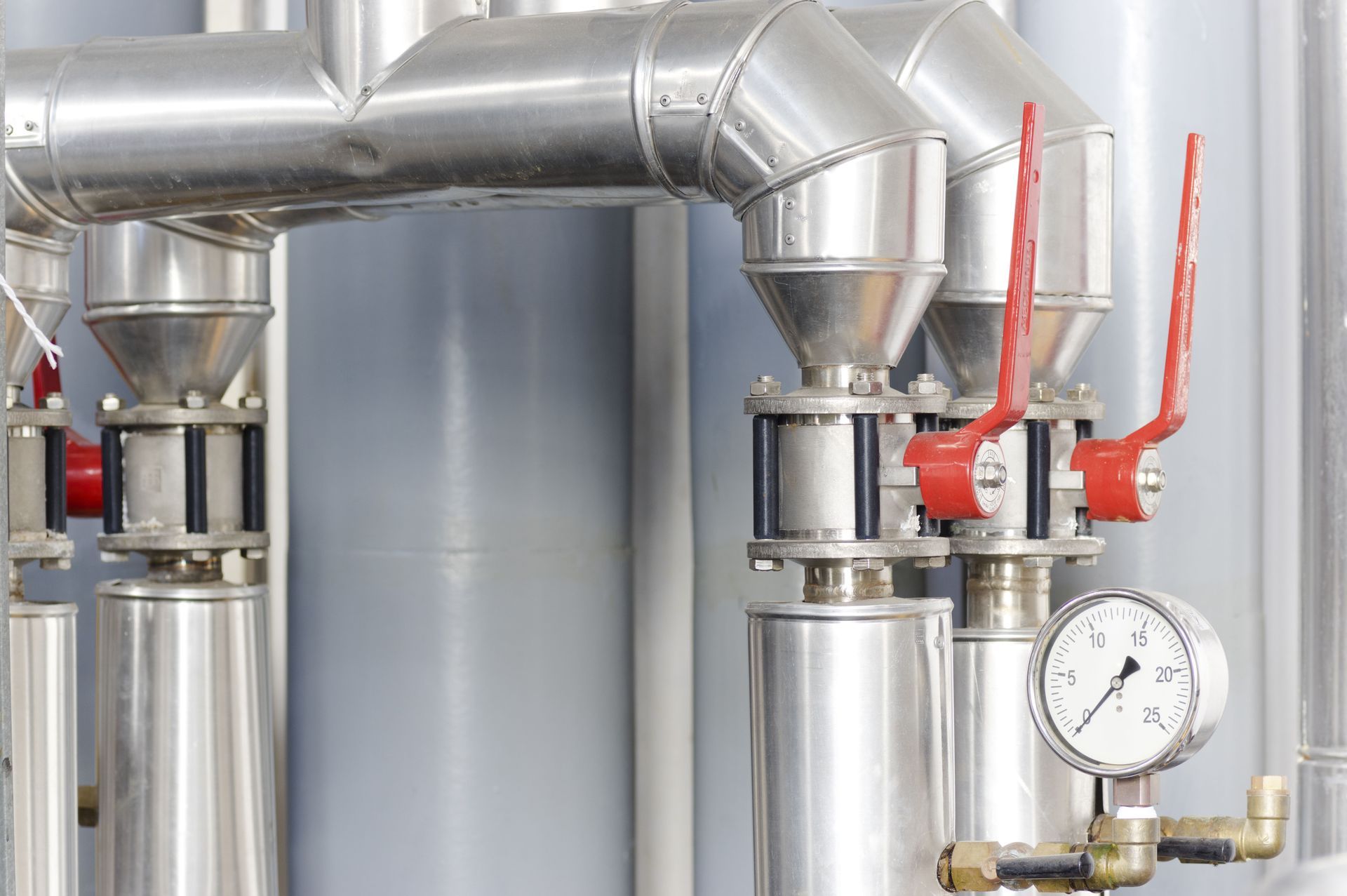
The professional scope of mechanical contracting services covers a broad spectrum of building infrastructure necessities, including heating, ventilation, and air conditioning (HVAC), as well as heavy plumbing and industrial piping systems. These services play a critical role in both initial construction and ongoing building maintenance, ensuring that mechanical assemblies operate with maximum mechanical efficiency to manage energy consumption. Typically, specialized mechanical contractors provide technical expertise in system installation, emergency repair, and retro-commissioning to enhance building performance. By maintaining these critical operational loops, experts help ensure that thermal energy and electricity are used wisely, translating into significant operational cost savings over time.
In recent years, the deployment of mechanical contracting services has expanded to incorporate advanced digital technologies that contribute directly to automated energy efficiency. Professional contractors now regularly integrate smart building management systems, enabling facilities to respond dynamically to changing indoor environmental demands. This technological innovation allows mechanical equipment to adjust operational speeds automatically, optimizing power draw throughout the day based on real-time occupancy and ambient weather conditions. Consequently, modern contractors handle not only the physical pipefitting and sheet metal installation, but also program complex digital control interfaces for superior long-term energy management across entire facility portfolios.
The mechanical contracting industry consists of specialized companies that focus on large-scale HVAC installation, industrial process piping, and complex environmental controls. A robust network of professionals—ranging from mechanical engineers to certified pipefitters and sheet metal technicians—supports these technical operations. Engineers develop system schematics that adhere to strict building energy codes, while field technicians perform precise installation and physical maintenance. Furthermore, professional trade organizations establish high standards across the industry, ensuring that mechanical contracting services continue to evolve alongside shifting state and federal energy conservation mandates.
Energy Efficiency in HVAC Systems
Advanced HVAC systems have emerged as pivotal tools in enhancing building energy management, relying heavily on specialized mechanical contracting services for precise calibration and maintenance. Smart HVAC infrastructure utilizes variable refrigerant flow and automated dampers to optimize heating and cooling based on real-time room occupancy. These automated controls ensure that mechanical units consume high electricity loads only when necessary, which drastically cuts energy waste and prevents inflated utility bills. Additionally, modern systems utilize predictive maintenance algorithms to identify internal mechanical drag, allowing technicians to fix minor system imbalances before they become severe energy drains.
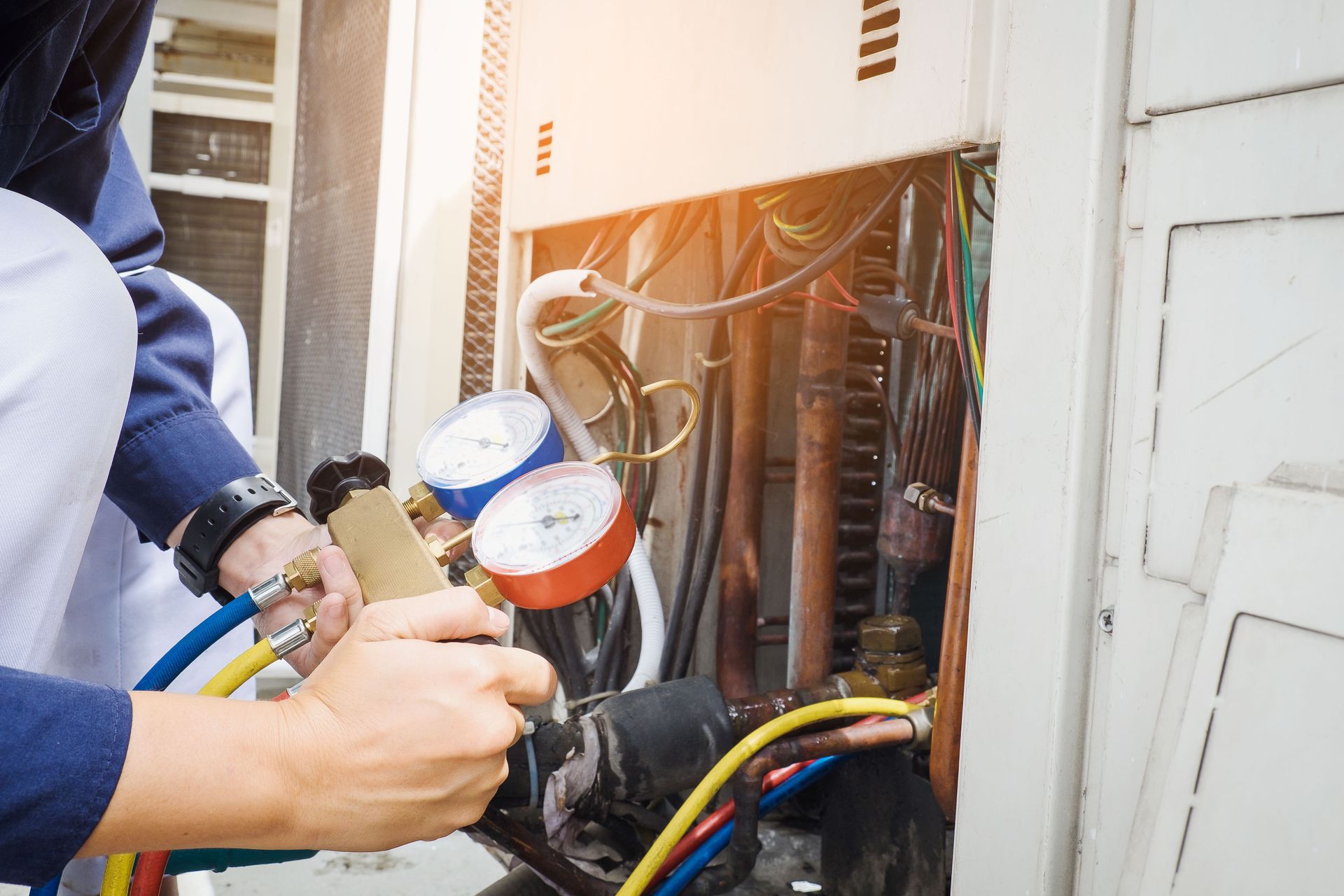
Regular preventative maintenance provided by mechanical contractors is equally vital when it comes to long-term energy conservation. Routine mechanical check-ups ensure that air handlers, chillers, and boiler systems function correctly without drawing excessive electrical current. Neglecting routine care leads to clogged air filters, leaking ductwork, frozen evaporator coils, and slipping fan belts—all of which force mechanical systems to work harder and consume significantly more power. Scheduled maintenance contracts allow skilled technicians to clean heat transfer coils, inspect refrigerant charges, and seal duct joints, keeping energy consumption consistently low over the lifetime of the equipment.
For older facilities, retrofitting legacy HVAC equipment offers a cost-effective alternative to complete system replacement. Mechanical contractors assess existing physical infrastructure to determine which components can be upgraded with modern, energy-efficient technology. Common retrofit measures include adding variable frequency drives to large pump motors, replacing outdated pneumatic controls with direct digital controls, and installing high-efficiency compressors. These targeted mechanical upgrades minimize thermal energy loss, lower electric demand charges, and extend the functional lifespan of existing mechanical infrastructure without requiring disruptive full-scale building demolitions.
Role of Mechanical Contractors in Plumbing Systems
Mechanical contractors also have a profound impact on building energy management through the installation and maintenance of high-efficiency plumbing and hydronic heating systems. Water heating represents a major portion of a building's total energy footprint, making water conservation directly linked to energy savings. Installing low-flow fixtures, thermostatic mixing valves, and commercial booster pumps reduces overall water volume requirements, which in turn lowers the electrical and gas energy required to heat and distribute water throughout a multi-story facility.
Prompt leak detection and pipe repair services represent another essential aspect of plumbing energy management. Unaddressed leaks in commercial hot water lines waste both precious water resources and the thermal energy used to heat that water. Professional contractors utilize ultrasonic leak detection tools and thermal imaging to locate hidden pipe failures inside wall cavities and sub-slab foundations. By quickly repairing thermal line breaks, repiping corroded risers, and adding heavy-duty pipe insulation, mechanical contractors prevent continuous heat loss and keep boiler water heaters running at high operational efficiency.
Furthermore, mechanical contractors regularly design and install advanced heat recovery systems that capture waste heat from industrial wastewater. Graywater heat recovery technology extracts residual thermal energy from drain lines—such as those found in commercial laundries, hotels, or manufacturing plants—and uses it to preheat incoming municipal cold water supplies. This process drastically reduces the workload on primary water heaters, generating substantial energy savings. Through these innovative hydronic strategies, mechanical contracting services turn basic plumbing infrastructure into an active participant in building-wide energy management.
Advanced Building Automation and Controls
The integration of automated Building Management Systems (BMS) represents the pinnacle of modern energy control, heavily relying on mechanical contracting services for hardware installation and sensor integration. A centralized BMS acts as the central brain of a facility, linking HVAC equipment, lighting, and plumbing controls into a single digital interface. Mechanical contractors install the underlying sensor networks, motorized actuators, and digital thermostats that allow the BMS to monitor environmental parameters in real time, automatically adjusting system operations to eliminate energy waste in unoccupied building zones.
Through strategic BMS programming, contractors establish sophisticated energy management protocols such as peak demand shedding and optimal start-stop routines. Peak demand shedding automatically scales back non-essential mechanical equipment when municipal electricity rates spike during hot summer afternoons, protecting building owners from exorbitant demand charges. Optimal start-stop algorithms calculate the precise amount of time needed to bring a building to a comfortable temperature before occupants arrive each morning, preventing HVAC systems from running unnecessarily during overnight hours.
Continuous data analytics and remote monitoring capabilities further enhance the energy-saving power of automated building controls. Modern mechanical contractors utilize cloud-based diagnostics to track energy usage patterns, identify thermal anomalies, and monitor equipment degradation across multiple properties simultaneously. When a chiller or air handler begins drawing abnormal electrical current, automated system alerts notify field engineers to perform targeted mechanical adjustments. This proactive, data-driven approach transforms facility maintenance from a reactive hassle into a continuous, optimized energy management strategy.
Managing building energy use requires a comprehensive approach that targets the complex internal mechanical networks consuming the vast majority of daily power. From installing high-efficiency HVAC units and modernizing legacy plumbing to programming complex building automation platforms, mechanical contracting services provide the technical expertise necessary to reduce energy waste and lower utility costs. Partnering with experienced mechanical professionals allows facility managers to optimize operational performance, ensure regulatory compliance, and build a sustainable future. When you are ready to optimize your facility's energy efficiency and upgrade your mechanical systems with expert precision, rely on the experienced team at Welding Processes & Mechanical, Inc. to deliver high-performance solutions tailored to your building's unique operational needs.
Setting the Foundation: Why Proper Welding Equipment Installation Matters for Performance and Safety