September 1, 2026
Navigating the operational demands of modern commercial and industrial facilities requires a strategic approach to infrastructure management. Business owners and facility managers continuously seek effective ways to lower utility expenses, minimize system downtime, and maintain optimal indoor environmental quality. Achieving these operational goals depends heavily on the performance and design of core building infrastructures. From heating, ventilation, and air conditioning equipment to extensive piping network installations, the machinery within a facility acts as the vital engine powering daily business activities. Partnering with seasoned professionals to handle these complex systems ensures that every component functions safely, sustainably, and reliably over its entire lifespan.
Enlisting professional mechanical contracting services provides commercial properties with the specialized engineering and technical execution necessary for peak system performance. Specialized contractors deliver full-scale support, taking projects seamlessly from initial design and installation through long-term upkeep. Rather than dealing with disparate technicians or reactive fixes, facility leadership gains a cohesive partner capable of orchestrating interconnected building components. This comprehensive oversight eliminates operational bottlenecks, prevents premature equipment degradation, and aligns infrastructure performance with overall corporate objectives. By placing complex mechanical infrastructure under expert care, organizations establish a firm foundation for sustained operational success and physical plant resilience.
Upgrading HVAC Systems for Optimal Energy Efficiency
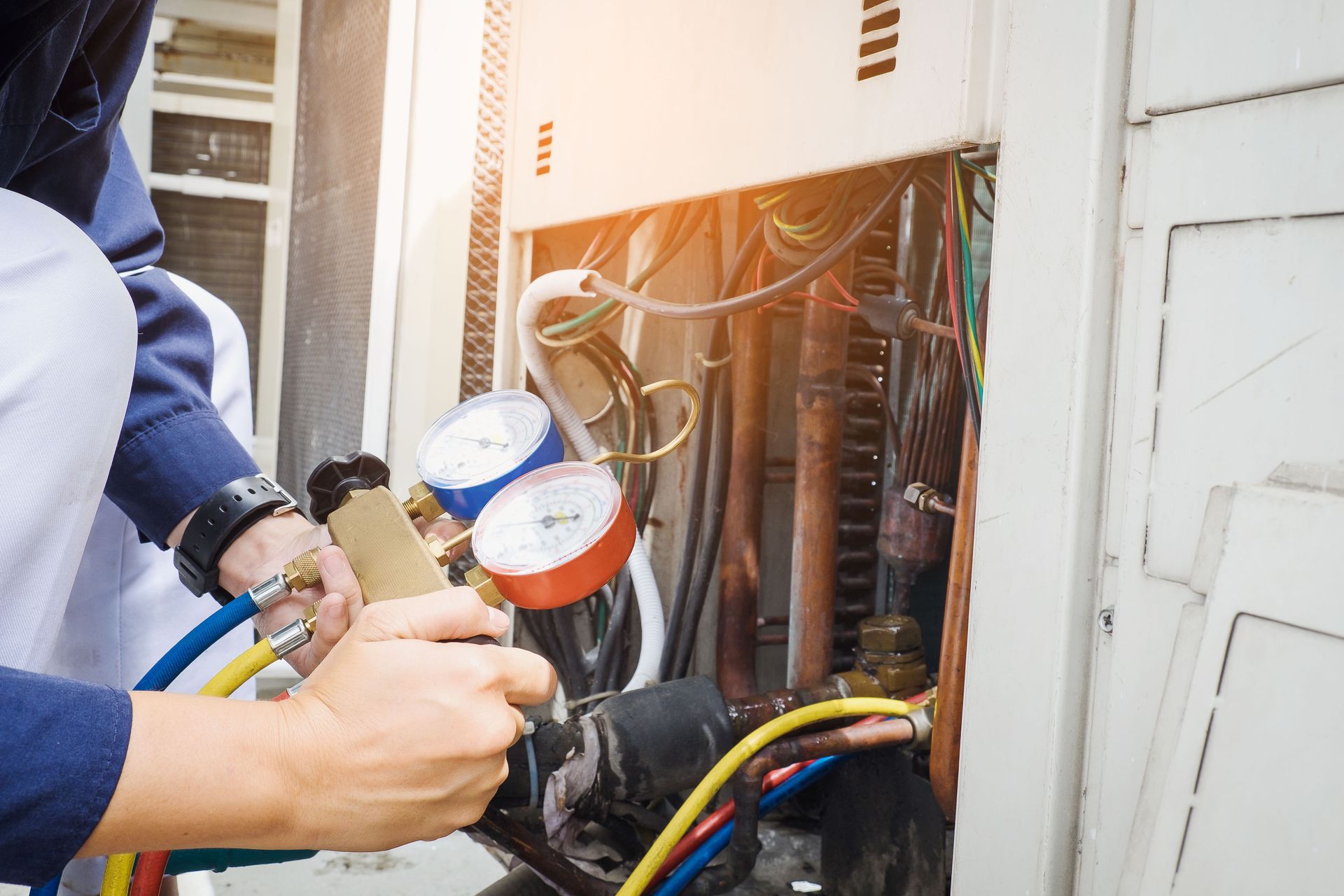
Heating and cooling configurations account for a major share of the energy consumed within commercial and industrial facilities, making them prime targets for performance optimization. Legacy HVAC equipment often struggles to maintain consistent interior conditions while drawing excessive electrical and fuel loads. Upgrading to modern HVAC solutions allows facilities to achieve superior efficiencies, often converting up to 98.5% of fuel into useful heat, according to the Department of Energy. Such upgrades not only reduce operational costs but also contribute to improved indoor air quality. Deploying modern heating and cooling technology ensures precise climate management while drastically cutting down on unneeded utility expenditures across every season.
Implementing innovative climate control setups requires deep technical expertise to properly match system capacity with specific building loads. Advanced technologies such as variable refrigerant flow configurations and smart building management controls allow facilities to dynamically adapt to shifting occupancy rates and weather conditions. Expert technicians ensure these complex setups are sized correctly, properly balanced, and fully integrated with existing building automation interfaces. Precise installation prevents common issues like short-cycling, unequal temperature distribution, and unnecessary component stress. Through careful system selection and expert implementation, properties enjoy enhanced interior comfort alongside long-term utility savings.
Modernizing Plumbing and Industrial Piping Frameworks
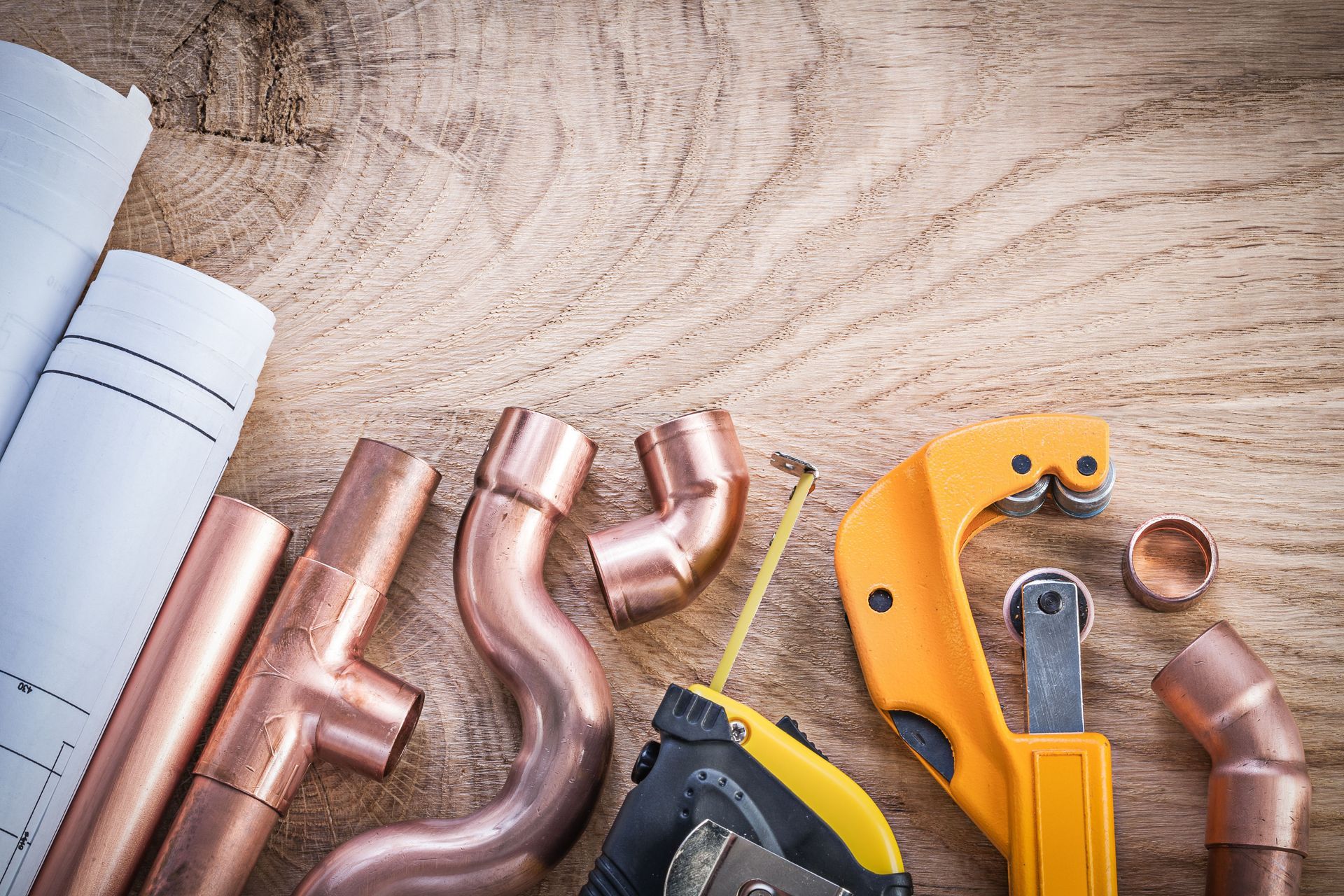
Commercial fluid handling systems require meticulous planning and execution to maintain continuous plant operation and resource conservation. Fluid dynamics within large facilities involve high pressure levels, specific thermal demands, and stringent regulatory compliance standards. Inadequate piping layouts or aging plumbing infrastructure can lead to hidden water leaks, pressure drops, and severe operational disruptions. Professional technical teams design and install robust fluid transfer networks using superior materials and modern joining methods. These engineered systems safeguard continuous water supply, efficiently manage wastewater, and maintain reliable liquid distribution essential to core business workflows.
Integrating smart water management devices further enhances resource conservation and operational monitoring across complex facilities. Advanced metering tools, automated shutoff valves, and continuous leak detection sensors allow property managers to track real-time consumption and identify anomalies instantly. Modern prefabrication methods also allow piping assemblies to be constructed off-site under controlled conditions, ensuring high precision and faster on-site assembly. These advanced piping techniques minimize structural disruptions during installation while providing long-term reliability. By eliminating resource waste and preventing catastrophic pipe failures, optimized plumbing networks protect real estate investments and stabilize utility budgets.
Implementing Proactive Maintenance and Care Protocols
Relying exclusively on reactive repairs when equipment breaks down leads to costly emergency service fees, extended downtime, and premature system replacement. Proactive maintenance programs offer a far more structured and cost-effective approach to facility management. Scheduled servicing allows technicians providing mechanical contracting services to inspect critical parts, clean heat exchangers, recalibrate sensors, and replace worn components before major operational failures happen. Consistent upkeep ensures that machinery operates at peak design parameters, preventing gradual efficiency losses that quietly inflate monthly utility bills. Proactive care transforms unpredictable capital expenses into stable, manageable operating budgets. In addition, routine inspections help identify minor issues long before they cause major disruptions.
Developing customized maintenance agreements ensures that every piece of mechanical equipment receives appropriate care based on its usage intensity and manufacturer specifications. Modern maintenance protocols leverage predictive analytics and diagnostic equipment to track performance metrics over time, pinpointing microscopic wear patterns long before physical breakdowns occur. This data-backed approach maximizes equipment lifespans, protects manufacturer warranties, and ensures steady compliance with municipal safety codes. Facilities operating under structured care programs experience significantly fewer unscheduled operational disruptions, allowing on-site staff to focus entirely on core business priorities. Implementing these structured plans ultimately protects your long-term capital investments.
Leveraging Automation and Digital Infrastructure Controls
The integration of digital technology and the Internet of Things has revolutionized how commercial building operations are monitored and controlled. Embedded smart sensors continuously gather valuable data regarding system temperatures, air pressure variations, energy draw, and mechanical vibration. Contracting teams utilize these digital interfaces to provide centralized control over complex facility networks, allowing for automated adjustments that respond instantly to changing building usage. Remote diagnostics enable mechanical contracting services specialists to evaluate system anomalies from afar, frequently resolving operational issues before building occupants even notice a climate variation. These digital capabilities give managers unprecedented visibility into overall facility performance.
Utilizing data analytics empowers facility leadership to make informed, strategic decisions regarding long-term equipment management and energy usage. Detailed performance logs highlight hidden energy waste, reveal inefficient operating schedules, and identify equipment components reaching the end of their functional service life. Furthermore, automated building systems eliminate the need for manual adjustments, reducing human error and freeing up on-site maintenance staff for other essential facilities tasks. Embracing modern digital infrastructure turns isolated equipment pieces into an intelligent, interconnected network designed for maximum operational efficiency and reliability. Over time, these insights contribute to far more effective budget allocation.
Integrating Sustainable Practices and Green Design
Environmental sustainability has transitioned from an optional corporate initiative to a fundamental requirement for modern commercial real estate. Integrating green building standards into facility infrastructure drastically reduces carbon footprints while yielding tangible economic benefits over time. Technical specialists help facilities transition toward sustainable operations by installing high-efficiency equipment, incorporating waste heat recovery mechanisms, and integrating renewable energy options like geothermal or solar thermal setups. These eco-friendly upgrades significantly lower total energy consumption, aligning corporate operations with global sustainability standards and local environmental mandates. Adopting green initiatives also reflects positively on a company's corporate identity.
Reducing environmental impacts also enhances the market value and public image of commercial real estate assets. Buildings outfitted with high-efficiency mechanical systems earn valuable industry green certifications, attracting environmentally conscious tenants and corporate clients. Sustainable designs reduce overall resource extraction and lower daily operational overhead, proving that environmental responsibility goes hand-in-hand with financial profitability. Working alongside experienced technical contractors guarantees that green retrofits are executed accurately, delivering maximum environmental stewardship without compromising mechanical reliability or occupant comfort. Ultimately, eco-friendly strategies deliver both immediate utility savings and long-term asset value.
Strategic facility management requires a commitment to high-performing mechanical contracting services that streamline operations, lower energy overhead, and extend equipment lifespans. Partnering with skilled industry professionals ensures that your heating, cooling, plumbing, and automation systems operate at their highest possible potential year-round. If you are ready to optimize your building infrastructure, lower operating costs, and enhance interior comfort, contact Welding Processes & Mechanical, Inc today to schedule a comprehensive facility evaluation and learn how our tailored
mechanical contracting services can elevate your operations. Investing in these services secures a sustainable future for your commercial facility.