October 1, 2026
Pipe fabrication serves as a foundational pillar across modern industrial processing, commercial HVAC, energy generation, and municipal utility networks. Transporting pressurized liquids, volatile gases, and high-temperature steam requires precise engineering, robust material integrity, and strict code compliance. As industrial facilities expand and existing infrastructure ages, optimizing fluid delivery systems becomes essential for maintaining operational continuity. According to The Freedonia Group, demand for pipe products in the U.S. is forecast to increase 1.5% per year to 13.6 billion linear feet in 2028, valued at $62.8 billion. Meeting this rising demand requires adopting advanced shop-based pipe fabrication processes that enhance mechanical durability, optimize fluid dynamics, ensure workplace safety, and deliver long-term cost efficiency.
1. Enhanced Structural Durability and Material Longevity
Executing precision pipe fabrication within a controlled shop environment significantly improves the physical durability and operational lifespan of industrial piping networks. Off-site fabrication facilities utilize automated cutting machinery, beveling tools, and specialized material handling systems that protect raw stock from ambient moisture, dirt contamination, and physical damage. Selecting specialized material alloys—such as 316L stainless steel, duplex alloys, copper-nickel, or high-density polymers—ensures that fabricated spools withstand severe working pressures, thermal expansion cycles, and aggressive chemical exposure without premature wall thinning or stress cracking.
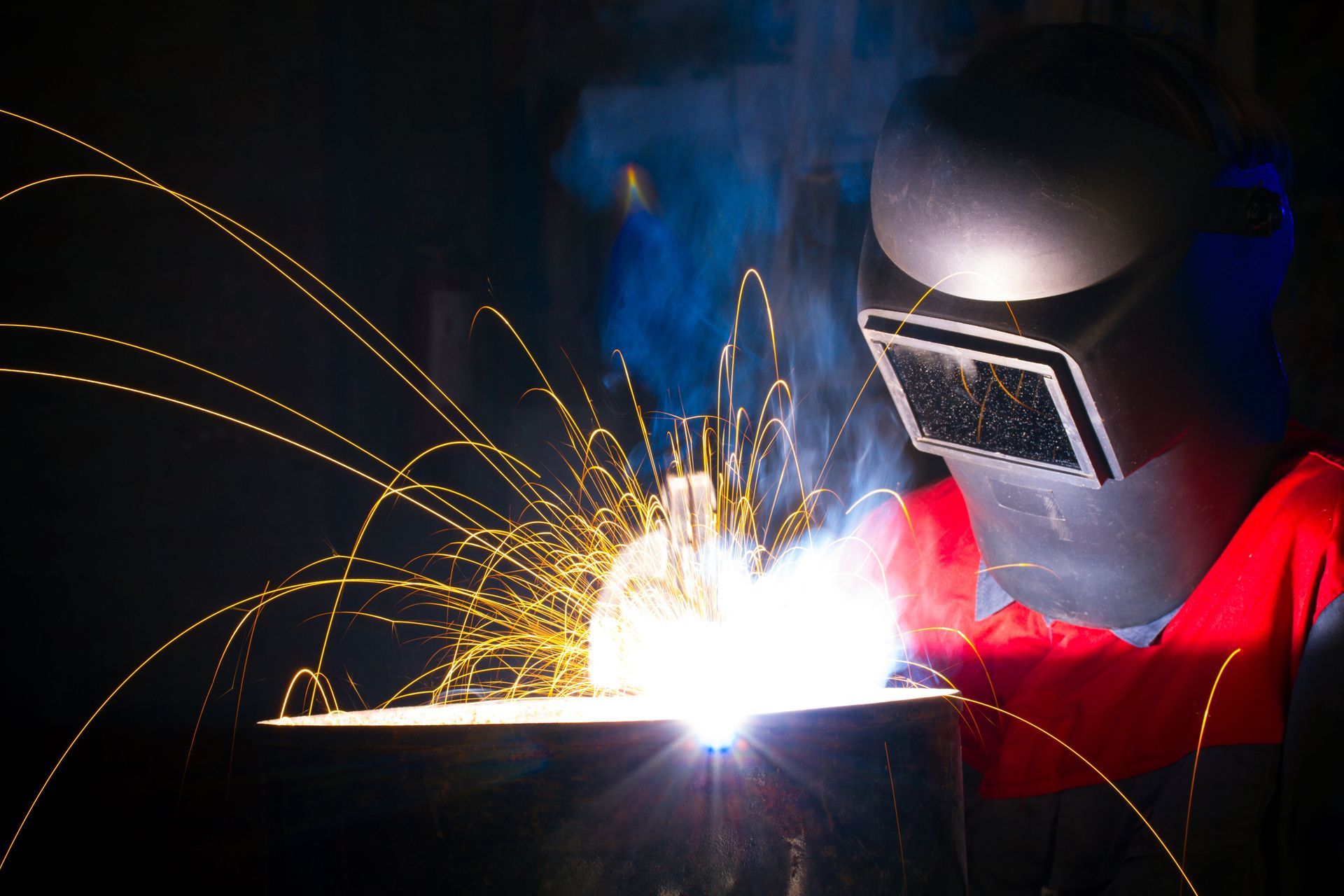
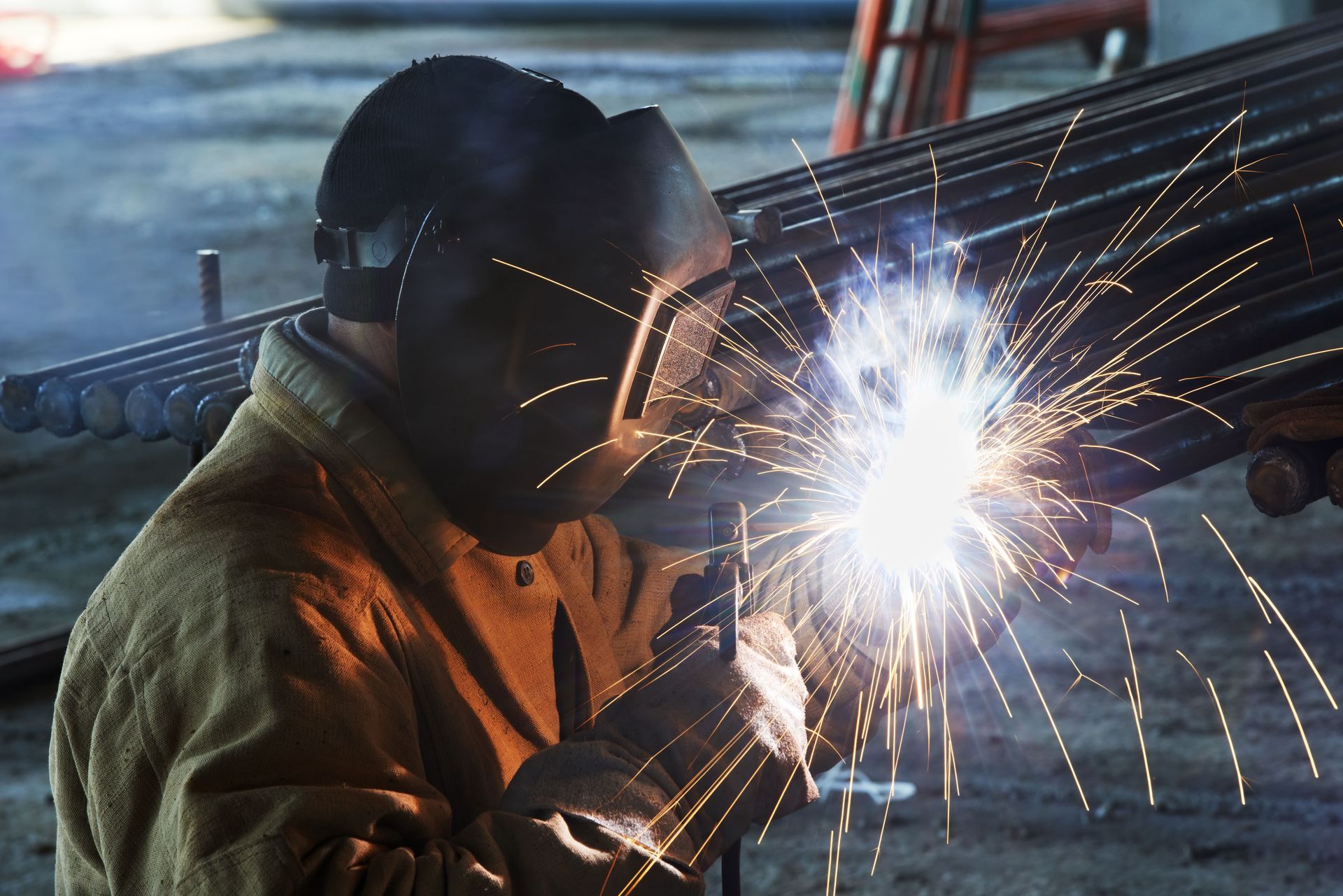
Shop-controlled welding environments allow technicians to execute advanced joining techniques, including orbital TIG welding, submerged arc welding, and automated MIG processes. Industrial pipe fabrication performed in a climate-controlled setting eliminates wind gusts, humidity fluctuations, and temperature extremes that introduce porosity, hydrogen embrittlement, or tungsten inclusions into field welds. Achieving clean, full-penetration welds ensures structural joint integrity, preventing catastrophic line ruptures and reducing joint fatigue under continuous hydraulic pulsing.
Applying protective interior linings and exterior anti-corrosion coatings further extends component service life. Modern fabrication shops apply fusion-bonded epoxy, polyurethane, or specialized rubber linings under ideal curing temperatures, establishing an impermeable barrier against corrosive media, aggressive soil chemistry, and marine environments. Coupling premium material selection, precision shop welding, and factory-applied protective coatings guarantees that fabricated pipe spools deliver reliable service over decades of continuous operation.
2. Optimized Fluid Dynamics and System Efficiency
Advanced pipe fabrication directly improves internal fluid dynamics by minimizing hydraulic friction, turbulence, and pressure drops throughout the distribution network. Custom-engineered pipe spools feature smooth, computer-guided bends rather than sharp, field-mitered elbows. Utilizing long-radius elbows and smooth induction bends reduces internal drag, enabling pumps and compressors to move fluids with significantly less electrical horsepower. Minimizing pressure drops lowers energy consumption across the facility, directly reducing utility overhead.
Internal surface finishing and weld bead profiling play a critical role in optimizing fluid flow rates. Professional pipe fabrication processes include internal ID bead grinding, mechanical honing, or electro-polishing to eliminate interior burrs, slag, and rough weld roots that induce turbulent flow. Creating an ultra-smooth internal bore prevents localized eddy currents, reduces cavitation damage along valve seats, and eliminates stagnant zones where suspended solids or biological contaminants can settle and cause restricted flow.
Utilizing Computational Fluid Dynamics (CFD) modeling during the pre-fabrication engineering phase allows designers to simulate complex fluid behaviors before cutting raw materials. Engineers adjust manifold geometries, branch connections, and pipe diameters virtually to achieve optimal velocity profiles and balanced flow distribution across multiple process lines. Translating CFD-optimized designs into precision-fabricated pipe spools guarantees that installed systems operate at peak hydraulic efficiency from initial startup.
3. Quality Control, Code Compliance, and Risk Mitigation
Pre-engineered pipe fabrication incorporates rigorous non-destructive testing (NDT) and quality assurance protocols that are difficult to replicate during outdoor field construction. Specialized fabrication shops maintain dedicated quality control inspectors who audit raw material mill test reports, verify welder certifications, and monitor weld joint preparation. Implementing systematic quality checks guarantees that every completed pipe spool satisfies stringent industry standards, including ASME B31.1 for power piping and ASME B31.3 for process piping.
Shop-fabricated spools undergo thorough NDT evaluations prior to jobsite delivery. Technicians utilize radiographic testing (x-ray), ultrasonic testing, magnetic particle inspection, and liquid penetrant testing to identify microscopic subsurface defects, lack of fusion, or internal voiding. Furthermore, conducting shop hydrostatic pressure testing verifies structural integrity under proof-pressure conditions, ensuring that leaks or material flaws are identified and corrected in the shop rather than during high-risk plant commissioning.
Mitigating operational risk through shop-controlled fabrication protects facilities against costly environmental spills, toxic gas releases, and unexpected emergency shutdowns. Precision fabrication guarantees exact dimensional tolerances, ensuring that field installation teams receive perfectly square flanges and accurate center-to-center dimensions. Eliminating field-fit errors minimizes installation stress on connected pumps, turbines, and pressure vessels, protecting critical plant equipment from vibration-induced fatigue.
4. Accelerated Installation Schedules and Labor Efficiency
Shifting the majority of pipe fabrication from the jobsite into a specialized shop significantly accelerates total project completion timelines. On-site field fabrication is routinely delayed by severe weather, cramped working conditions, trade congestion, and limited overhead crane access. In contrast, off-site shop fabrication proceeds continuously regardless of outdoor weather conditions, utilizing dedicated overhead cranes, automated positioning turn-tables, and specialized cutting stations that maximize daily linear output.
Executing fabrication concurrently with site civil work and structural steel erection drastically condenses project schedules. While field contractors complete foundation pours and equipment pads, shop technicians simultaneously fabricate, weld, test, and coat complete piping spools. Once the site is structurally ready, pre-fabricated spools are delivered in scheduled, logical sequences for immediate bolt-up installation, turning weeks of field welding into days of mechanical assembly.
Reducing field labor requirements lowers jobsite congestion and simplifies project management. Shop-based pipe fabrication utilizes specialized automated equipment that accomplishes welds in a fraction of the time required for manual position welding in tight field quarters. Minimizing field welding hours reduces jobsite safety hazards, lowers overall labor costs, and minimizes operational disruptions for active industrial facilities undergoing retrofits or expansions.
5. Waste Reduction and Total Cost Optimization
Industrial pipe fabrication delivers substantial cost savings through material optimization, lean manufacturing practices, and scrap reduction. Advanced nesting software analyzes complete piping schematics to calculate exact cut lengths from standard mill pipe stocks. Optimizing cut plans minimizes expensive drop-off scrap, maximizing raw material utilization and reducing raw material procurement expenses across large-scale commercial or industrial projects.
Consolidating fabrication within a central facility lowers overall project overhead. Automated cutting, beveling, and welding stations consume less energy and require fewer billable labor hours per joint compared to manual field operations. Additionally, bulk purchasing of raw pipe, fittings, valves, and welding consumables allows fabrication shops to secure competitive material pricing, passing direct cost savings down to project owners.
Evaluating total cost of ownership demonstrates that investing in quality shop-fabricated piping yields long-term financial returns. Pre-fabricated systems experience fewer operational leaks, require less frequent maintenance intervention, and consume less pumping energy over their service life. Eliminating costly field re-work, premature corrosion failures, and unexpected plant outages ensures that professional pipe fabrication delivers maximum financial and operational value over the lifetime of the asset.
Leveraging professional pipe fabrication is essential for optimizing system performance, structural durability, fluid efficiency, and project cost-effectiveness across modern industrial networks. By combining precision material selection, automated shop welding, CFD-guided design, and rigorous non-destructive testing, shop fabrication resolves complex mechanical challenges long before installation begins. Transitioning labor from unpredictable field environments into controlled shop settings protects project timelines and delivers superior structural quality. For expert pipe spool fabrication, code-compliant welding, and complete mechanical installation services, trust the experienced team at Welding Processes & Mechanical, Inc. to deliver reliable, high-performance piping systems for your facility.