May 31, 2026
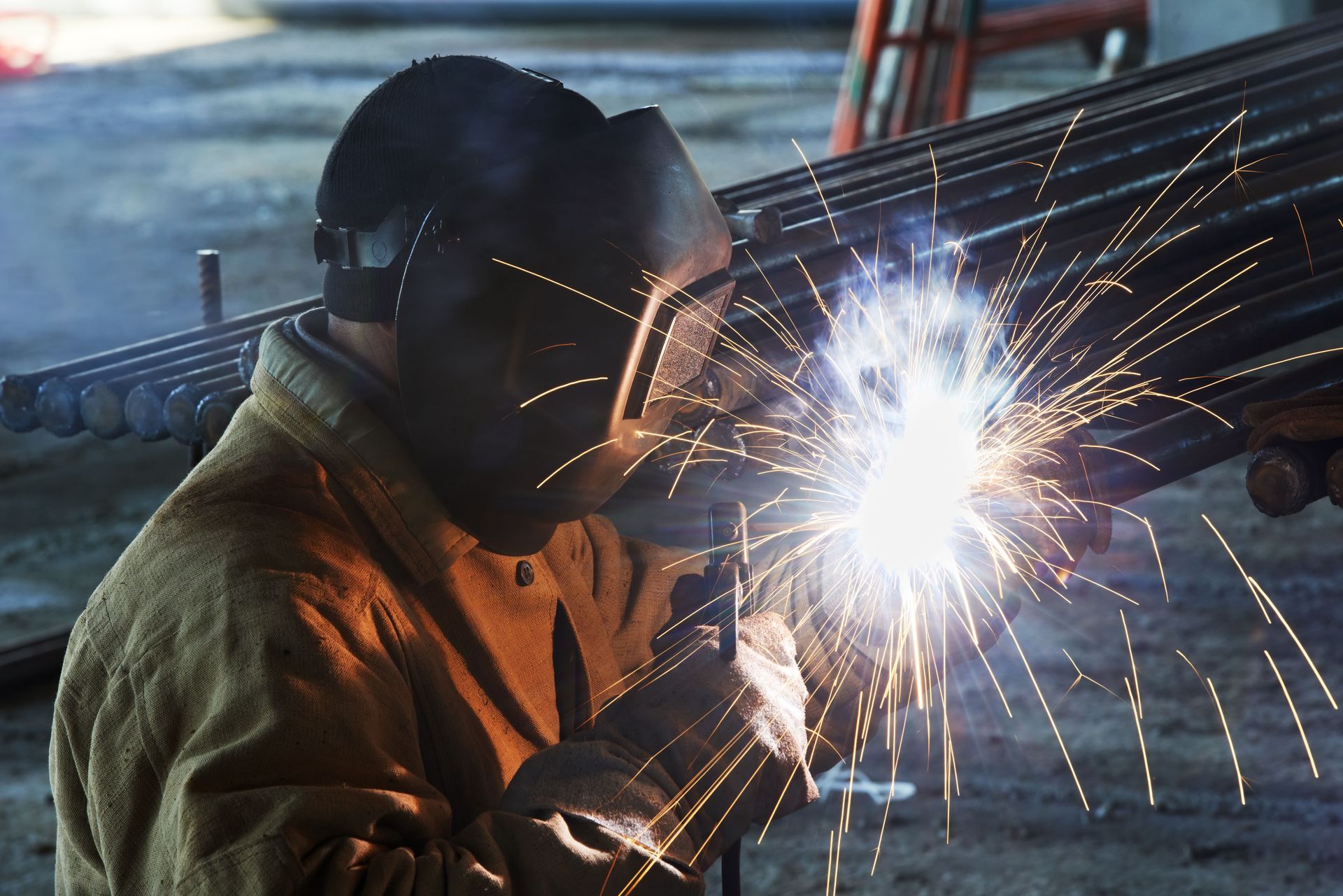
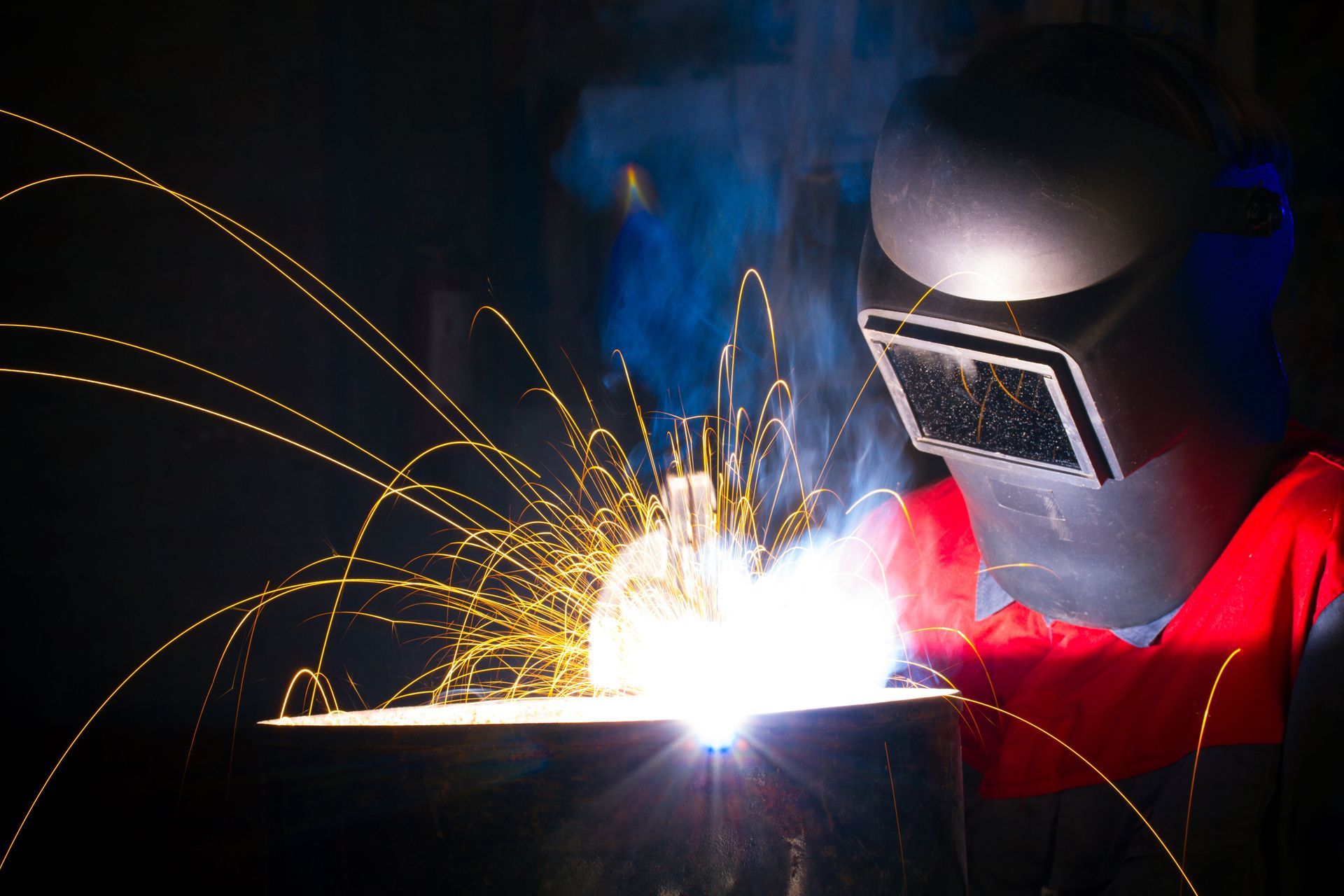
Welding equipment installation is a critical step in ensuring both performance and safety in welding operations. Proper installation not only affects efficiency but also the longevity of the equipment. From understanding the components to adhering to industry regulations, every stage of installation contributes to successful welding outcomes. Businesses across manufacturing, construction, energy, transportation, and industrial sectors depend on welding equipment to perform consistently and safely. Establishing a solid foundation from the beginning helps reduce costly downtime, improve productivity, and support workplace safety.
As welding technology continues to advance, installation requirements have become increasingly sophisticated. According to Fortune Business Insights, the global welding equipment market size is projected to reach $28.75 billion by 2032. This growth reflects the expanding demand for high-performance welding systems and highlights the importance of proper setup. A professional mechanical installation service plays a vital role in helping organizations maximize their investment while maintaining safe and efficient operations.
Understanding the Importance of Proper Equipment Installation
Welding equipment consists of numerous interconnected components that must work together seamlessly. Power sources, cables, regulators, torches, control systems, and safety devices all contribute to overall performance. If even one component is improperly installed, the entire system can experience operational problems.
A professional mechanical installation service ensures that every component is properly configured according to manufacturer specifications. This process includes verifying electrical connections, assessing equipment placement, checking ventilation requirements, and conducting initial testing. Proper installation helps establish a reliable operating environment that supports consistent weld quality and long-term equipment durability.
When equipment is installed correctly from the beginning, operators can focus on productivity rather than troubleshooting preventable issues. Proper setup also reduces unnecessary wear on components, helping organizations avoid costly repairs and replacements later.
Selecting the Right Environment for Welding Operations
The location where welding equipment is installed significantly impacts both performance and safety. Adequate workspace, proper ventilation, and easy access for maintenance are essential considerations during installation planning. Welding operations generate heat, sparks, and fumes that require careful environmental management. Installing equipment in a poorly ventilated area can create health risks for workers and negatively affect operational efficiency. Likewise, cramped workspaces can make maintenance difficult and increase the likelihood of accidents.
A qualified mechanical installation service evaluates facility conditions and recommends placement strategies that support safe and productive operations. Factors such as workflow efficiency, equipment accessibility, material handling requirements, and future expansion opportunities are often considered during the planning process. Creating an appropriate environment from the start helps businesses improve productivity while minimizing potential hazards.
The Role of Manufacturer Specifications
Manufacturers invest significant resources into developing equipment specifications and installation guidelines. These recommendations are based on extensive testing and are designed to ensure optimal performance and safety. Ignoring manufacturer requirements can lead to equipment malfunctions, warranty issues, and increased maintenance costs. Proper installation involves following electrical requirements, clearance specifications, calibration procedures, and safety recommendations outlined by the manufacturer.
An experienced mechanical installation service understands how to interpret and apply these guidelines effectively. By following recommended procedures, businesses can ensure their equipment operates as intended while maintaining compliance with warranty requirements and industry standards. Manufacturer specifications also provide valuable information regarding maintenance schedules and operational limits, helping organizations maximize equipment lifespan and performance.
Why Initial Testing and Calibration Matter
Installation does not end when the equipment is physically assembled. Initial testing and calibration are essential steps that confirm the system is functioning correctly. Testing allows technicians to identify potential issues before production begins. Calibration ensures that welding parameters such as voltage, current, and wire feed speed are properly configured for the intended applications. Even minor calibration errors can affect weld quality, increase material waste, and reduce overall efficiency.
A professional mechanical installation service performs thorough testing procedures to verify equipment performance under operating conditions. These evaluations help identify adjustments that may be necessary before the equipment enters regular use. Documenting testing and calibration results also provides a valuable reference for future maintenance and troubleshooting efforts.
Common Problems Caused by Improper Installation
Improper installation can create a variety of operational challenges that affect productivity and profitability. One of the most common issues is inconsistent weld quality. Poor electrical connections, incorrect calibration, or improper equipment positioning can lead to unstable arcs, weak welds, and increased defect rates. Another common problem is excessive equipment wear. Components that are misaligned or improperly connected often experience additional stress, leading to premature failures and increased maintenance expenses.
Poor installation can also contribute to higher energy consumption. Equipment that is not operating efficiently may require additional power to achieve desired results, increasing operating costs over time. These challenges highlight the importance of investing in a reliable mechanical installation service that prioritizes accuracy and attention to detail.
Supporting Equipment Longevity
Welding equipment represents a substantial financial investment. Protecting that investment requires a proactive approach that begins with installation. When equipment is installed according to manufacturer specifications, components experience less strain and are better positioned to perform reliably over time. Proper alignment, secure connections, and accurate calibration all contribute to reduced wear and improved durability.
Organizations that prioritize professional installation often experience fewer breakdowns and lower maintenance costs throughout the equipment's lifecycle. A dependable mechanical installation service helps establish the conditions necessary for long-term reliability and performance. Extending equipment lifespan not only reduces replacement expenses but also improves overall return on investment.
Safety Benefits of Professional Installation
Safety remains one of the most important considerations in any welding operation. Welding equipment involves electrical systems, high temperatures, pressurized gases, and moving mechanical components that must be handled properly. Improper installation can create numerous hazards, including electrical shocks, equipment failures, fires, and exposure to harmful fumes. These risks can lead to injuries, property damage, and costly regulatory penalties.
A professional mechanical installation service helps identify and address potential safety concerns before they become serious problems. Proper grounding, ventilation, emergency access, and equipment testing are all essential aspects of safe installation practices. By prioritizing safety from the beginning, businesses can create a more secure work environment while reducing the likelihood of accidents and disruptions.
Planning for Future Growth
Many organizations focus exclusively on immediate operational needs when installing welding equipment. However, planning for future growth can provide significant long-term advantages. Production requirements often change over time. Businesses may expand their facilities, add new equipment, or adopt advanced technologies to remain competitive. Installation decisions made today can either support or complicate those future initiatives.
An experienced mechanical installation service considers future scalability during the planning process. This may include allocating space for additional equipment, planning electrical capacity upgrades, or designing layouts that accommodate future workflow changes. Forward-thinking installation strategies provide flexibility and help organizations adapt more easily to evolving business demands.
The Value of Professional Expertise
While some installation tasks may appear straightforward, welding equipment systems are often highly complex. Professional expertise helps ensure that every aspect of the installation process is completed correctly. Experienced technicians understand industry best practices, manufacturer requirements, safety regulations, and performance optimization techniques. Their knowledge helps minimize risks while maximizing operational efficiency.
Partnering with a qualified mechanical installation service allows businesses to benefit from specialized skills and proven installation methodologies. This expertise contributes to smoother project execution and better long-term outcomes. Professional installation also provides peace of mind, knowing that equipment has been configured to support safe and reliable operation.
Proper welding equipment installation serves as the foundation for successful welding operations. From improving productivity and weld quality to enhancing safety and extending equipment lifespan, every aspect of installation plays a crucial role in overall performance. As the welding industry continues to grow and technology becomes increasingly advanced, the importance of professional installation will only continue to increase.
Whether you're launching a new facility, upgrading existing equipment, or expanding production capabilities, working with experienced professionals makes a significant difference. Contact Welding Processes & Mechanical, Inc today to learn how our team can assist with your next mechanical installation service project and help establish a strong foundation for operational success. Contact us today!