April 3, 2026
Uneven heating in commercial boiler systems can create significant challenges for building owners, facility managers, and occupants alike. From uncomfortable temperature fluctuations to increased energy costs, inconsistent heat distribution often signals underlying issues that require attention. Understanding the root causes of uneven heating is essential for maintaining efficiency, comfort, and system longevity. Whether the problem stems from mechanical faults, system design limitations, or maintenance gaps, identifying the source is the first step toward an effective solution. According to the Department of Energy, there are 4.7 million commercial buildings in the U.S., and 581,000 (12 percent) are served by boilers.
In many cases, businesses turn to temporary solutions like boiler rental to maintain operations while diagnosing and resolving these issues. By combining immediate support with long-term system improvements, commercial properties can restore balanced heating and prevent recurring disruptions.
System Design Limitations
One of the most common causes of uneven heating in commercial boiler systems lies in the original system design. When a system is not properly sized or configured for the building it serves, certain areas may receive too much heat while others remain underheated. This imbalance often becomes more noticeable as the building’s usage evolves. As a result, what once functioned adequately can gradually become inefficient, creating persistent comfort issues that require system adjustments or upgrades.
Commercial spaces are rarely static. Renovations, layout changes, and increased occupancy can all impact how heat is distributed. If the boiler system was designed based on outdated requirements, it may struggle to meet current demands. Poorly planned piping layouts can also contribute to uneven heating by creating inconsistent flow paths throughout the building.
In these situations, temporary measures such as boiler rental can help maintain stable temperatures while engineers assess and redesign the system. Addressing design limitations often requires a comprehensive evaluation to ensure that heating capacity and distribution align with the building’s current needs.
Airflow and Circulation Issues
Proper airflow and circulation are critical for maintaining consistent heating throughout a commercial space. When air or water cannot move efficiently through the system, certain areas may experience reduced heat output. This can result from blockages, trapped air, or imbalanced distribution. Over time, these circulation inefficiencies can place additional strain on the system, leading to decreased performance and higher energy consumption.
Air pockets within the system are a frequent culprit. When air becomes trapped in pipes or radiators, it prevents hot water or steam from circulating effectively. This leads to cold spots that disrupt overall comfort. Similarly, issues with pumps or circulation components can limit the movement of heated water, causing uneven temperatures across different zones.
Regular system bleeding and maintenance can help eliminate trapped air and restore proper circulation. In cases where circulation problems are severe, businesses may rely on boiler rental to ensure uninterrupted heating while repairs are underway. Maintaining consistent airflow and circulation is essential for achieving balanced performance across the entire system.
Component Wear and Malfunction
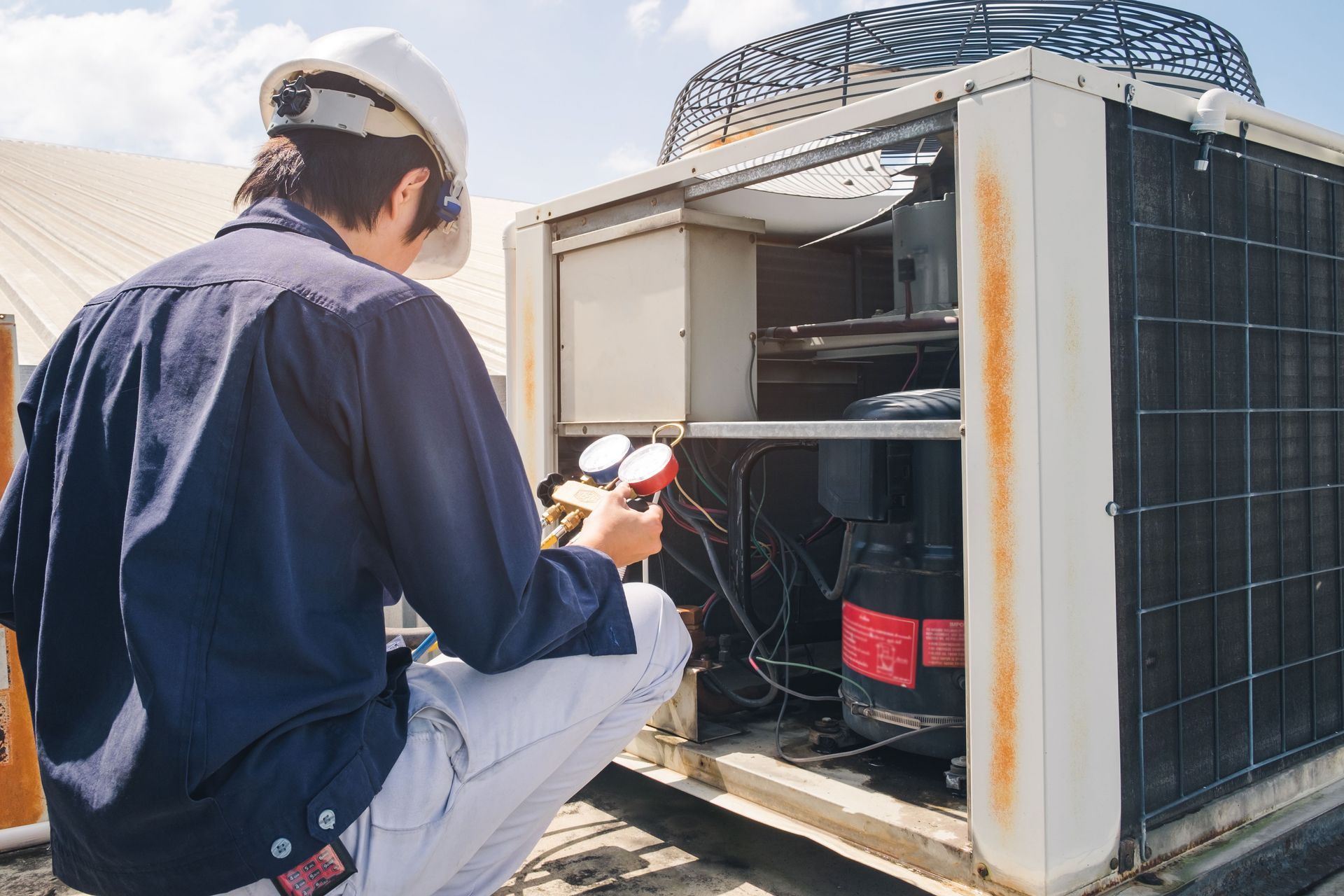
Over time, the components within a commercial boiler system are subject to wear and tear. Valves, pumps, and heat exchangers can degrade with use, leading to reduced efficiency and uneven heat distribution. Even minor malfunctions can have a significant impact on system performance.
For example, a failing pump may not generate enough pressure to distribute hot water evenly throughout the building. Similarly, malfunctioning valves can restrict flow to certain areas, creating noticeable temperature differences. Sediment buildup within the system can also interfere with heat transfer, further contributing to uneven heating.
Routine inspections and timely repairs are essential for preventing these issues from escalating. When critical components fail, temporary solutions like boiler rental can provide a reliable source of heat while replacements are installed. Addressing component wear early helps maintain consistent performance and extends the lifespan of the system.
Maintenance and Operational Gaps
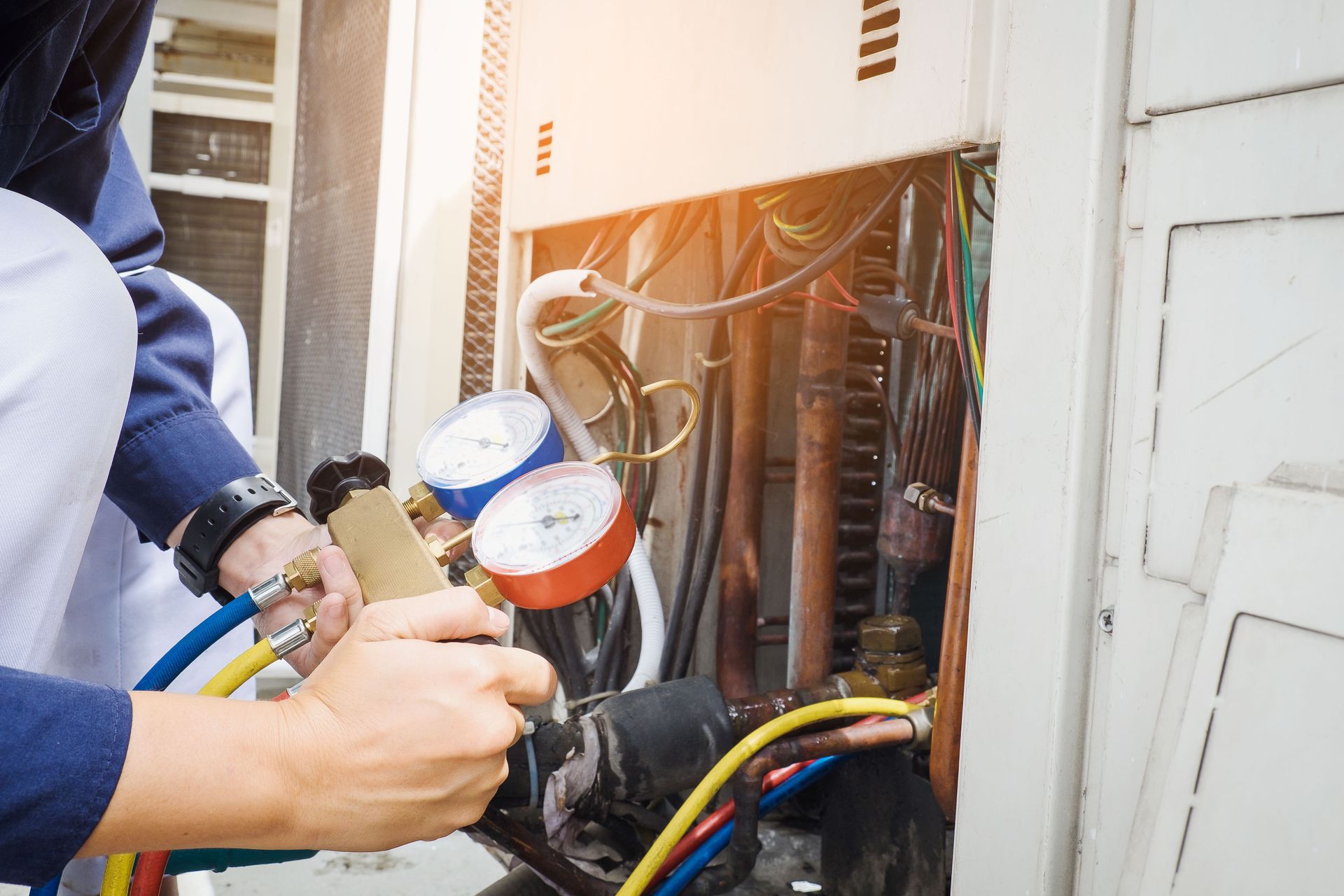
A lack of regular maintenance is a leading cause of uneven heating in commercial boiler systems. Without proper upkeep, small issues can develop into larger problems that disrupt heat distribution. Maintenance tasks such as cleaning, calibration, and system checks play a vital role in ensuring consistent operation. Over time, neglecting these routine tasks can reduce system efficiency and increase the likelihood of unexpected breakdowns that further impact heating performance.
Neglected systems often experience reduced efficiency due to dirt, debris, or scale buildup. These factors can block pipes, reduce heat transfer, and create imbalances in temperature. Inconsistent operational practices, such as improper thermostat settings or irregular system monitoring, can further exacerbate the problem.
Implementing a structured maintenance plan helps identify potential issues before they impact performance. When maintenance gaps lead to system failure, boiler rental can serve as a practical interim solution, allowing businesses to maintain comfort while addressing underlying concerns. Consistent care and attention are key to preventing uneven heating over time.
Zoning and Control Challenges
Modern commercial buildings often rely on zoning systems to regulate temperature in different areas. While zoning can improve efficiency and comfort, it can also introduce complexity that leads to uneven heating if not properly managed. Faulty controls, misaligned sensors, or incorrect settings can disrupt the balance between zones.
When one zone receives more heat than necessary, it can reduce the availability of heat for other areas. This imbalance is often caused by control systems that are not calibrated correctly or that fail to respond to changing conditions. In some cases, outdated control technology may struggle to keep up with the demands of a dynamic commercial environment.
Upgrading control systems and ensuring proper calibration can significantly improve heating consistency. During upgrades or repairs, boiler rental can provide a dependable backup, ensuring that operations continue without interruption. Effective zoning requires precise coordination between system components and controls.
Infrastructure and Distribution Constraints
The physical infrastructure of a building plays a major role in how heat is distributed. Aging pipes, insulation deficiencies, and structural limitations can all contribute to uneven heating. As buildings age, their heating systems may become less efficient, leading to inconsistent performance across different areas.
Heat loss is a common issue in older infrastructure. Poor insulation allows heat to escape before it reaches its intended destination, resulting in colder zones within the building. Similarly, outdated piping systems may not support efficient heat distribution, especially in large or complex layouts.
Upgrading infrastructure can be a significant investment, but it is often necessary for achieving consistent heating. In the meantime, boiler rental can help bridge the gap by providing reliable heat while improvements are made. Addressing infrastructure challenges ensures that the system can deliver heat effectively to all areas of the building.
Uneven heating in commercial boiler systems is rarely caused by a single issue. Instead, it is often the result of multiple factors working together, including design limitations, circulation problems, component wear, maintenance gaps, zoning challenges, and infrastructure constraints. Identifying and addressing these issues requires a comprehensive approach that considers both immediate needs and long-term solutions.
By investing in regular maintenance, system upgrades, and proper design, businesses can achieve consistent heating and improve overall efficiency. Temporary solutions like boiler rental can provide valuable support during repairs or upgrades, ensuring that operations continue without disruption. Ultimately, maintaining a balanced and reliable heating system is essential for comfort, productivity, and cost management in commercial environments.
When challenges arise, we can help you navigate them with confidence. At Welding Processes & Mechanical, Inc., we work together with you to deliver reliable solutions that keep your systems running smoothly and your business operating without interruption.