April 1, 2026
Industries rely on well-built piping systems to support essential infrastructure such as heating, cooling, processing, and equipment operation. When piping is fabricated to match exact project requirements, it improves system efficiency, reduces operational issues, and supports long-term performance across a wide range of mechanical applications. According to The Freedonia Group, demand for pipe products in the U.S. is forecast to increase 1.5% per year to 13.6 billion linear feet in 2028, valued at $62.8 billion. This growth reflects the increasing need for dependable mechanical system solutions.
This article explores why pipe fabrication is such an important part of industrial success, how it supports mechanical system performance, and what makes it a foundational service in commercial and industrial environments. It also highlights how properly engineered systems contribute to smoother operations and reduced long-term disruptions. The following sections break down the key factors that influence performance and efficiency.
The Fundamentals of Piping Systems in Industrial Work
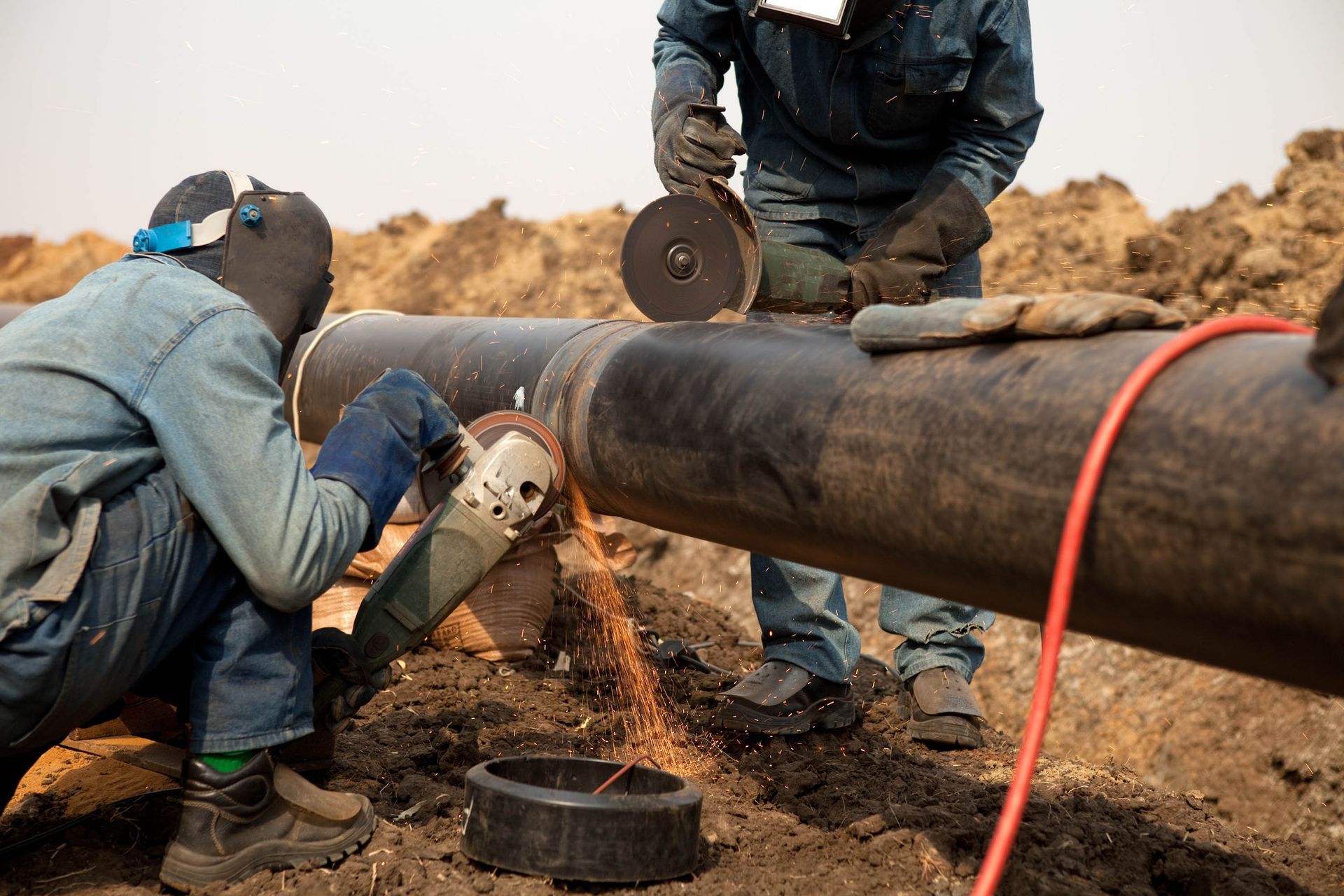
Pipe fabrication refers to the process of cutting, shaping, assembling, and welding piping components to create systems designed for specific mechanical applications. Unlike off-the-shelf piping, fabricated systems are built to match the layout, function, and operational requirements of a particular project. This ensures that each system is designed with performance and functionality in mind.
This process is essential in mechanical construction because no two systems are exactly the same. Factors such as space limitations, system pressure needs, equipment layout, and environmental conditions all influence how piping must be designed and installed. Careful planning ensures that each system is suited for its intended application and operating environment.
Proper system design ensures that installations are built for fit, function, and long-term efficiency in demanding industrial settings. It also helps reduce challenges during installation and operation. This approach supports consistent performance across a wide range of mechanical environments.
The Role of Materials in Mechanical Construction Systems
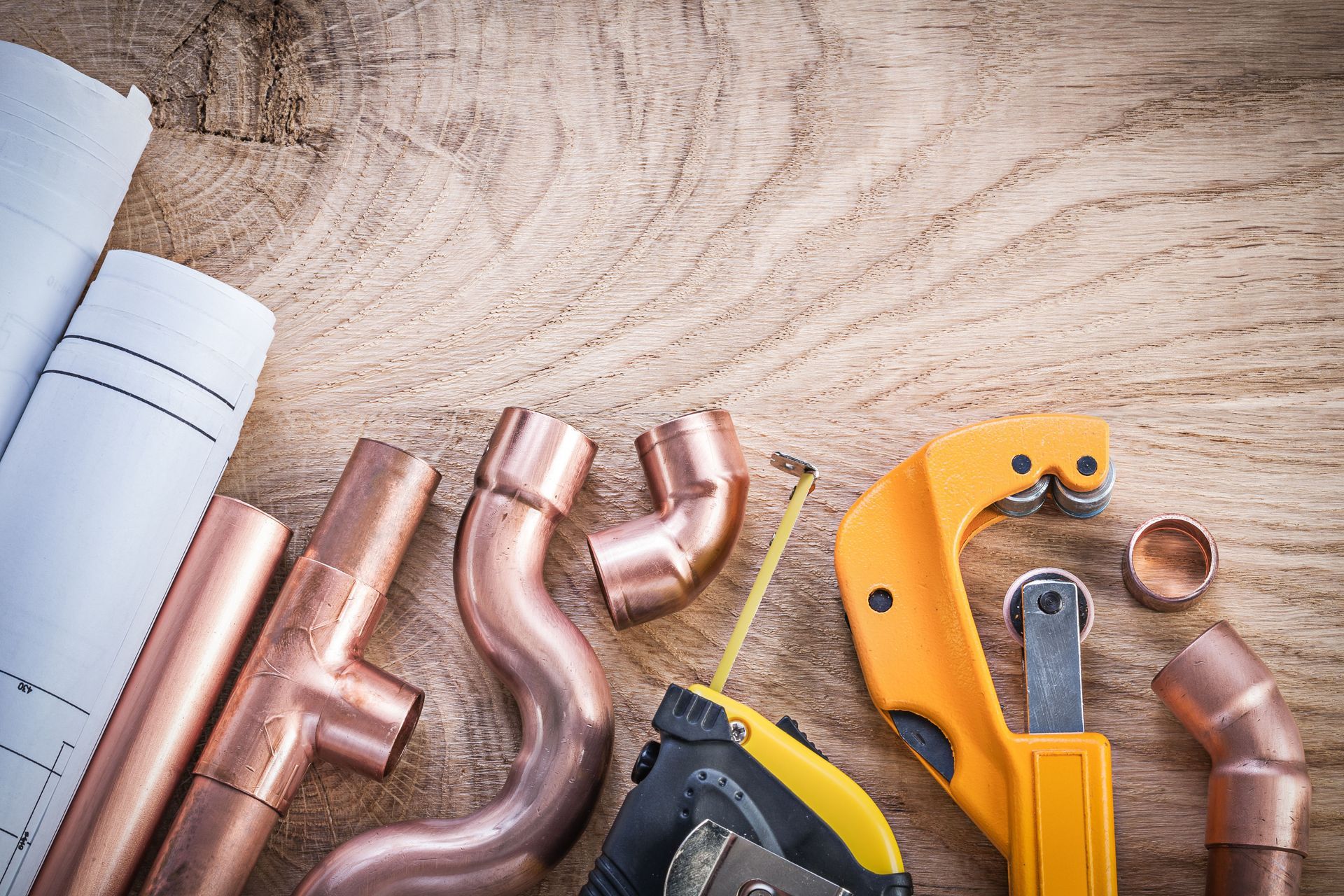
Pipe fabrication involves working with durable materials suited for industrial performance. Common materials such as steel are selected based on strength, longevity, and compatibility with the system's intended use. Material selection plays a major role in overall system durability.
Material selection is guided by project requirements, including temperature exposure, system demands, and structural needs. The goal is to ensure that every component contributes to a dependable and long-lasting piping system. These decisions directly impact performance and maintenance needs over time.
Proper construction methods, including accurate cutting, fitting, and welding, ensure that each section of piping integrates correctly with the broader mechanical system. This level of precision helps maintain structural integrity and operational consistency. It also supports long-term system stability in demanding environments.
The Impact of Custom Fabrication on Mechanical Systems
Pipe fabrication is essential for maintaining the efficiency of mechanical systems. When piping is properly constructed, it allows for smoother installation, better system integration, and fewer operational disruptions. These benefits are especially important in complex facility environments.
In industrial environments, mechanical systems often support critical operations such as heating, cooling, and equipment functionality. Properly constructed piping helps these systems operate consistently by reducing the risk of leaks, misalignment, or premature wear. This contributes to improved system dependability.
Well-executed fabrication also supports easier maintenance and system adjustments over time, helping facilities maintain long-term operational stability. This reduces the likelihood of unexpected downtime and service interruptions. It also improves overall system efficiency.
The Comparison of Custom and Standard Piping Systems
Standard piping components are designed for general use, but industrial systems often require more precise solutions. Custom fabrication allows for adaptation based on the specific layout and function of a system. This flexibility is essential for modern mechanical environments.
This customized approach ensures better system fit and alignment, improved operational efficiency, reduced installation challenges, and stronger system integration with equipment and mechanical components. Each of these factors contributes to smoother system performance. They also help reduce long-term operational issues.
By tailoring piping to the exact needs of a project, fabrication helps eliminate inefficiencies that can arise from using generic components. This improves both installation accuracy and system efficiency. It also supports more predictable operational outcomes.
The Integration of Mechanical and HVAC Infrastructure Systems
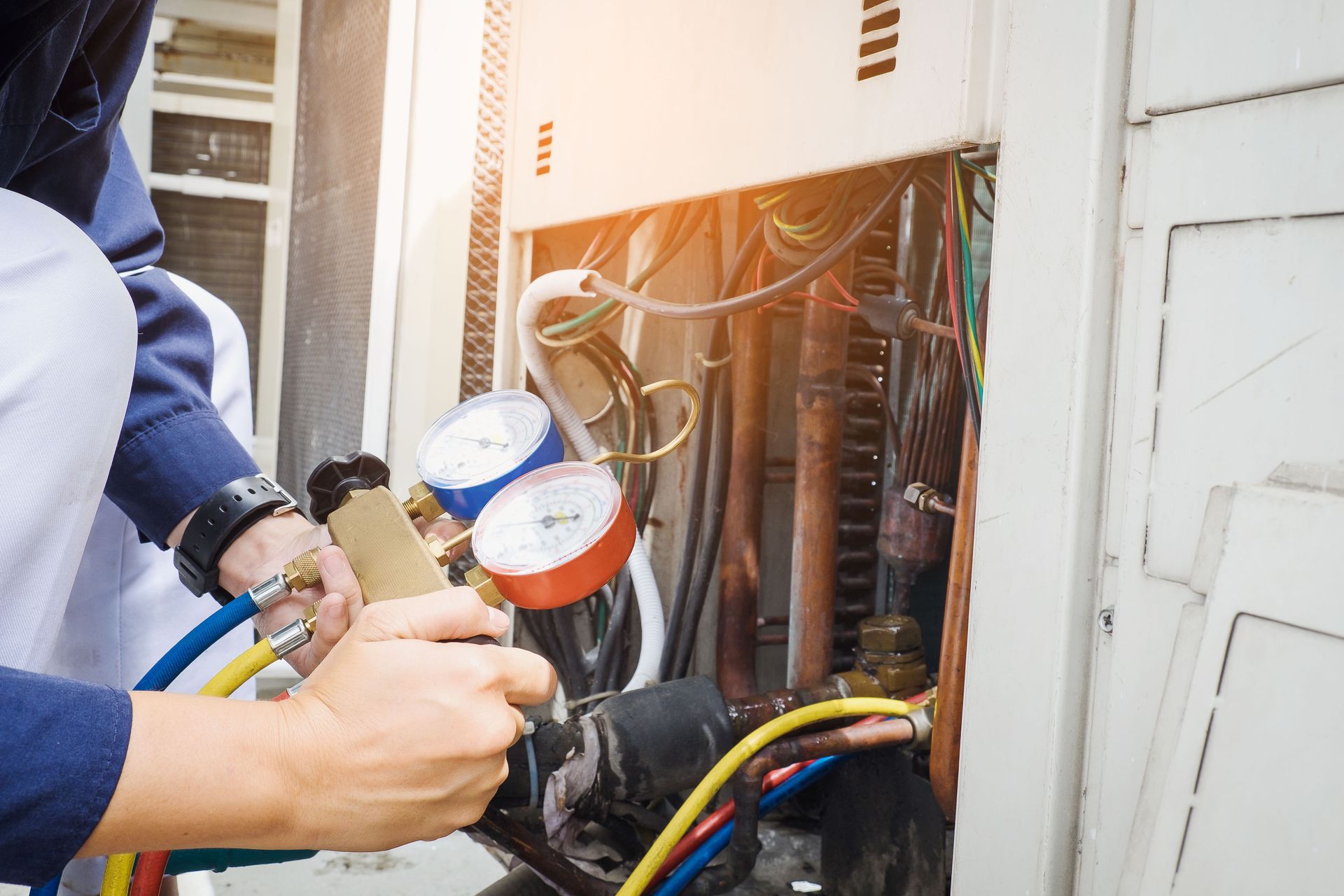
This type of work is closely connected to broader mechanical and HVAC systems used in commercial and industrial facilities. Properly constructed piping supports essential systems such as heating, cooling, and process infrastructure. These systems rely on accurate integration to function effectively.
These systems must work together seamlessly to maintain comfortable environments, support equipment operation, and ensure facility performance. Proper system integration ensures that all components are aligned and functioning as intended. This reduces the risk of system inefficiencies.
In complex mechanical environments, this level of precision is essential for maintaining efficiency. It also helps ensure consistent performance across interconnected systems. Proper coordination plays a key role in overall facility operation.
The Importance of Welding and Installation Practices
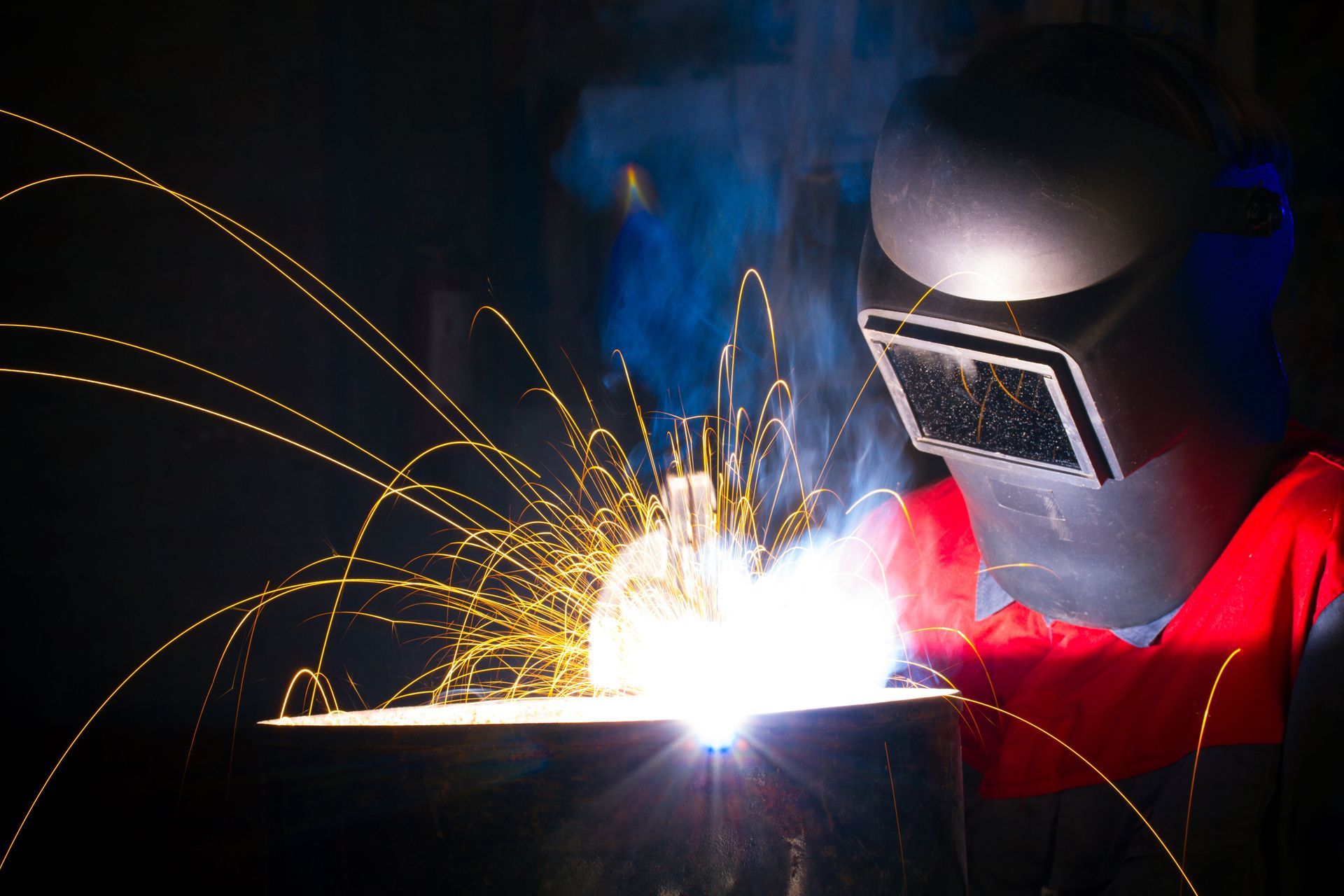
Welding is a key part of fabrication work, ensuring that piping connections are strong, secure, and built to withstand industrial conditions. Skilled fabrication and welding work directly impact system durability and performance. These processes require accuracy and attention to detail.
Proper installation is equally important, as even well-built piping must be correctly integrated into existing mechanical systems. When fabrication and installation are handled with precision, the result is a more dependable and efficient overall system. This helps reduce operational risks.
This combination of craftsmanship and technical execution is what makes this work a foundational mechanical service. It supports long-term system performance and operational consistency. It also ensures smoother integration across system components.
The Applications of Piping Systems in Industrial Environments
This type of system work is used across a wide range of commercial and industrial applications. It supports systems that are essential for daily operations, including mechanical infrastructure, equipment systems, and facility utilities. These applications vary based on facility needs.
It is commonly used in environments that require dependable mechanical system performance, custom system layouts and configurations, durable piping for demanding operational conditions, and integration with HVAC, boilers, chillers, and equipment systems. Each application depends on precise system design and execution. This ensures consistent functionality across different environments.
Because every facility has unique mechanical requirements, properly constructed piping ensures systems are built to perform under specific conditions. This improves operational efficiency and supports long-term system durability.
The Support of Boilers, Chillers, and Mechanical Equipment Systems
This type of fabrication work also plays an important role in supporting mechanical equipment such as boilers and chillers. These systems depend on properly installed piping to function efficiently and safely. Proper connections are essential for system operation.
Properly constructed piping helps ensure that equipment is correctly connected and able to operate as intended within the broader mechanical system. This improves overall system performance and helps reduce the risk of operational issues. It also supports consistent equipment function.
Whether supporting heating systems, cooling systems, or industrial equipment, this work is essential to keeping mechanical infrastructure running smoothly. It contributes to stable system performance across multiple applications. It also helps extend equipment usability.
This type of mechanical work is a key component of industrial systems, ensuring piping is designed and built to meet the specific demands of each project. It supports smooth system integration, dependable equipment performance, and the long-term efficiency required in commercial and industrial environments. These outcomes are essential for operational success. To learn more about professional mechanical contracting services such as welding, HVAC systems, boiler and chiller work, and equipment installation, contact Welding Processes & Mechanical, Inc.