February 10, 2026
A boiler inspection is one of the most important steps in keeping a heating system running safely, efficiently, and reliably. Whether the boiler serves a home, a commercial building, or a temporary heating setup, inspections help identify wear, performance issues, and safety concerns before they turn into larger problems. Many property owners schedule inspections annually, while others request them before peak heating seasons or after installing new equipment.
During an inspection, a trained technician evaluates how the boiler operates, checks key components, and reviews system performance. This process helps confirm that the unit is functioning as intended and aligns with current efficiency standards. It also offers peace of mind, especially for those relying on heating during colder months or managing backup systems alongside boiler rentals for temporary or emergency use.
Understanding what happens during a boiler inspection makes the process more approachable and helps property owners prepare. In this article, you'll learn what to expect before, during, and after a boiler inspection, how long it typically takes, and why each step matters.
Preparing for a Boiler Inspection
Before the inspection begins, there are a few simple steps that help the process move smoothly. Property owners or facility managers are often asked to provide access to the boiler room or mechanical space. Clearing the area around the unit allows the technician to safely inspect all components without obstruction.
It's also helpful to gather maintenance records if they're available. Previous service notes, repair history, or installation details can provide useful context. These records help the technician understand how the boiler has been performing over time and whether recurring issues exist.
In some cases, the technician may ask about recent changes in system behavior. Unusual noises, uneven heating, rising energy bills, or frequent cycling can all offer clues. Sharing these observations helps guide the inspection and allows the technician to focus on areas that may need closer attention.
Reviewing Boiler Age and System Type
One of the first things a technician evaluates is the boiler's age and design. Older boilers often operate differently from modern units, and inspection methods may vary depending on whether the system is conventional, condensing, or high-efficiency. Knowing the model and fuel type helps set expectations for performance and efficiency.
According to the Department of Energy, although older furnace and boiler systems had efficiencies in the range of 56% to 70%, modern conventional heating systems can achieve efficiencies as high as 98.5%, converting nearly all the fuel to useful heat for your home. This comparison helps technicians assess whether a boiler is performing close to its intended range or falling short.
For properties using boiler rentals, especially during renovations or equipment downtime, inspectors also confirm that the temporary system is properly sized and suited for the application. Even short-term systems require careful evaluation to support safe operation.
Inspecting the Boiler Exterior and Surroundings
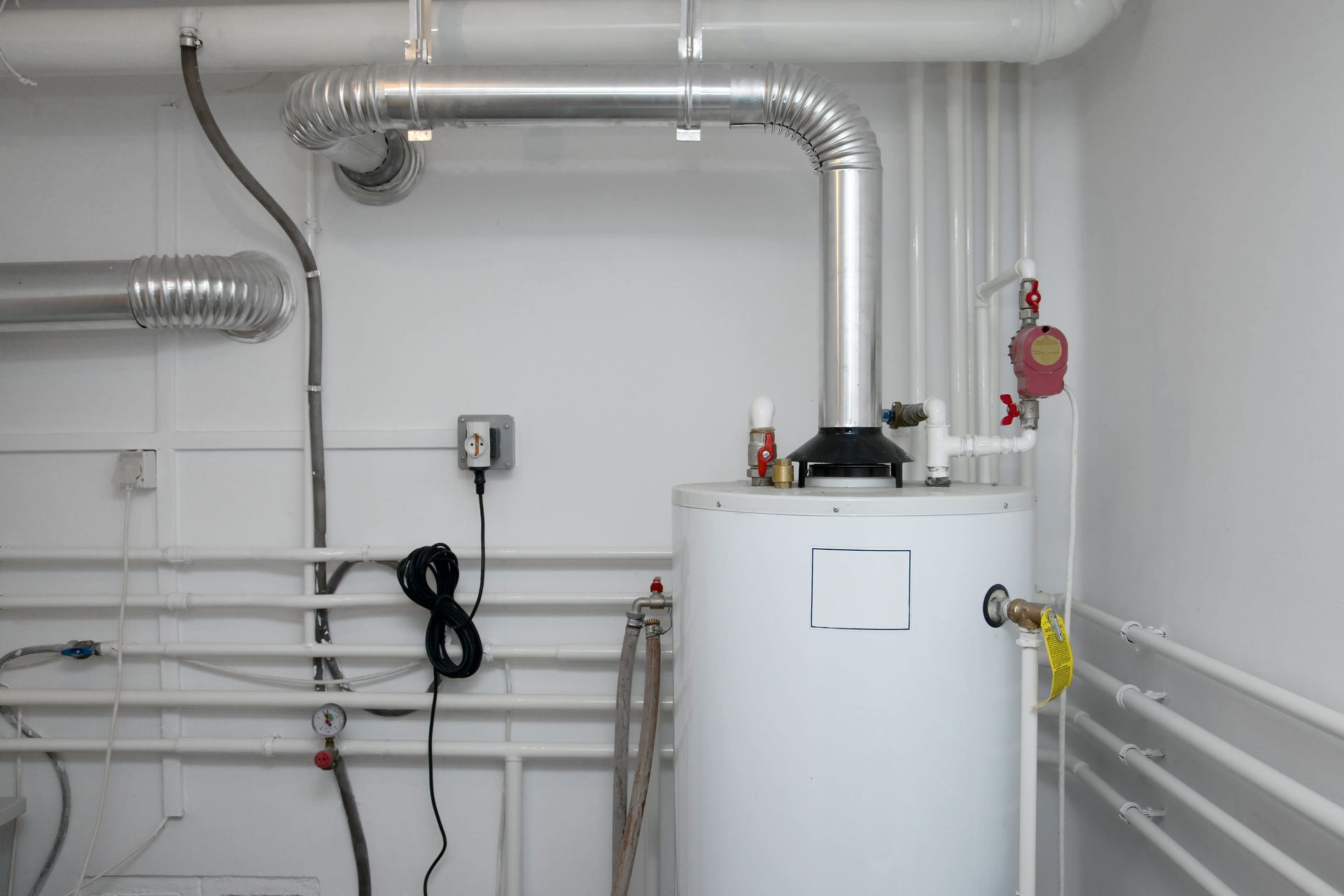
The inspection typically begins with a visual review of the boiler's exterior. The technician looks for signs of corrosion, leaks, rust, or physical damage. These issues can indicate moisture problems, aging materials, or improper ventilation.
The surrounding area is also evaluated. Adequate clearance around the boiler supports airflow and safe servicing. Inspectors check for combustible materials stored too close to the unit, as well as proper lighting and ventilation within the mechanical space.
Labels, warning signs, and safety instructions are reviewed to confirm they are intact and readable. Clear labeling helps operators and service professionals quickly identify controls and shut-off points if needed.
Examining Burners and Combustion Components
Burners play a critical role in boiler performance. During the inspection, the technician examines burner assemblies for dirt, debris, or misalignment. Clean burners promote steady flames and consistent heat output, while buildup can reduce efficiency and lead to incomplete combustion.
The technician may observe the flame while the boiler is operating. Flame color, shape, and stability offer insight into combustion quality. Irregular flames can signal airflow issues, fuel supply problems, or worn components.
Combustion chambers are also checked for cracks or deterioration. Damage in this area can affect heat transfer and safety, making this step an essential part of the inspection process.
Checking Heat Exchangers and Internal Components
The heat exchanger is one of the most important parts of a boiler. It transfers heat from the combustion process into the water or steam used for heating. Inspectors carefully check this component for cracks, corrosion, or scaling.
Even small issues with the heat exchanger can affect efficiency and safety. Cracks may allow combustion gases to mix with heated water or air, which can create health risks. Scaling or mineral buildup can restrict heat transfer and cause the boiler to work harder than necessary.
Other internal components, such as baffles and seals, are also reviewed. These parts help direct heat flow and maintain proper pressure within the system.
Testing Safety Controls and Shut-Offs
Safety controls are designed to protect both the boiler and the building it serves. During an inspection, technicians test these controls to confirm they respond correctly under different conditions. This includes pressure relief valves, temperature limits, and emergency shut-off switches.
Pressure relief valves are especially important. They release excess pressure to prevent damage or failure. Inspectors verify that these valves open and close properly and are free from blockage or corrosion.
For systems tied to boiler rentals, safety control testing is just as important as it is for permanent installations. Temporary systems often operate in demanding conditions, making reliable safety features essential.
Evaluating Pumps, Valves, and Piping
Boilers rely on a network of pumps, valves, and pipes to circulate heated water or steam. Inspectors check these components for leaks, wear, and proper operation. Even small leaks can lead to pressure loss and reduced system performance.
Pumps are evaluated for noise, vibration, and flow consistency. Unusual sounds or movement can indicate bearing wear or imbalance. Valves are checked to confirm they open and close smoothly without sticking.
Piping insulation is also reviewed. Proper insulation helps retain heat, improve efficiency, and protect occupants from hot surfaces.
Reviewing Electrical Connections and Controls
Modern boilers include electrical components that manage ignition, monitoring, and communication with thermostats or building management systems. Inspectors examine wiring for signs of wear, loose connections, or exposure to moisture.
Control panels are tested to confirm settings match the system's requirements. This includes verifying temperature limits, pressure thresholds, and operational sequences. Faulty controls can lead to cycling issues or inconsistent heating.
For properties using boiler rentals alongside permanent systems, inspectors may also confirm that controls are properly integrated or isolated, depending on the setup.
Measuring System Performance and Efficiency
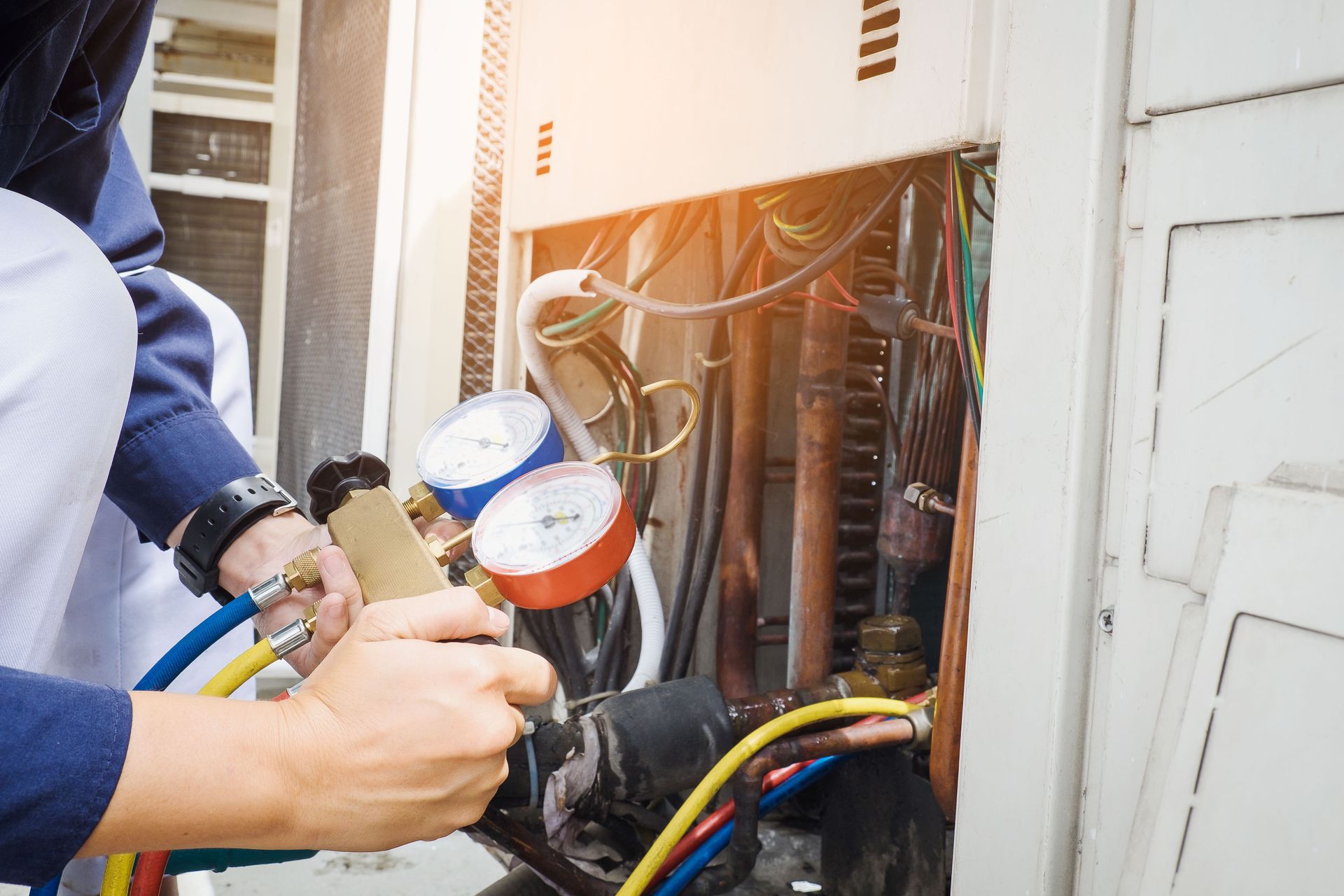
After visual and mechanical checks, technicians often measure how the boiler performs under normal operation. This may include checking temperature output, pressure levels, and fuel usage. These readings help determine whether the boiler is operating within expected parameters.
Efficiency measurements can highlight opportunities for improvement. While inspections do not always include full efficiency testing, technicians can identify trends that suggest declining performance. This information helps property owners decide whether maintenance, upgrades, or replacements are worth considering.
Performance checks are particularly helpful for those relying on boiler rentals during peak demand. Knowing that the system can handle required loads supports operational planning.
Whether you rely on a permanent heating system or use boiler rentals for temporary needs, regular inspections help protect your investment and support uninterrupted comfort. Scheduling an inspection before the heating season or after system changes can make a meaningful difference. Contact Welding Processes & Mechanical, Inc today to schedule your inspection and keep your heating system running with confidence.